It’s been a while since my last post on this research blog, and for good reason: I’ve just concluded an intensive period of work on several aspects of my practice. One of these centered on curating the exhibition I titled Is Our World Not Where Bodies Live?
Earlier this year, the e-mde team at the University of Lorraine contacted me to curate an exhibition to be held as part of the ULLAN 2026 festival. The festival celebrates digital cultures by highlighting the convergence between gaming and artistic practices. This cultural event is transdisciplinary, centered around three pillars: esports, digital art, and gaming in all its forms. The festival thus includes several esports competitions (ranging from amateur to expert players), exhibitions by artists and students, film screenings, and game presentations. The context piques my curiosity, obviously because of its subject matter, but also because of its audience: ranging from gamers to contemporary art enthusiasts to campus users. From this context inevitably emerges an idea of intersection, of movement, of alternation between genres and spaces.
In these tangible and virtual spaces—almost utopian in nature—that are video games (particularly in this context), John Perry Barlow’s words resonate with me: “We are going to create a civilization of the mind in cyberspace. May it be more humane and just than the world your governments have created. " (Declaration of Independence of Cyberspace, 1996, Davos). This quote leads us to reflect on the concept of (virtual) place, its specific characteristics, and above all—in the context of video games—its intimate relationship to home. I thus consider virtual and video game spaces in terms of their ambiguous intertwining with our lives. These virtual spaces are, here, homes, places where we live, sometimes in groups, in communities, among friends. They are real spaces with a displaced physicality. Our walls are not made of bricks; they are made of cables, chips, rare metals, and plastic. Our new habitats are both everywhere and nowhere, stored as copies on millions of fragile hard drives.
It is into this Barlowian ambiguity that I wish to immerse the audience. I quote from one of my working texts on the exhibition: “This is where you are, in a world that mirrors the complexity of its inhabitants, in spaces that have never more closely resembled humanity. Complex, distorted, cooperative, interactive, sometimes violent, and yet poetic places.” These virtualities parade before our eyes and come to life within video games. This exhibition explores these spaces where bodies do not live, though... Like a narrative journey, it traverses visual works that interrogate contemporary video game practices, their universes, their materials, and the people and social groups that inhabit them.
*
Let's take this walk together …
↑←
When you arrive on the university campus, you’ll find Galerie 0.15 (Fig. 01) on your left, housed in a small building. The exhibition is spread across the two rooms of this space. The first room features a number of projects selected from the student call for proposals. Among them is the work by Cortex Asquith S., titled Vibralum (Fig. 02), an installation where the public can activate and deactivate colored shapes and sounds to compose music. The shapes are inspired by Beninese culture and represent the passage into life, carried by sound. In the second part of the space, a VR headset sits on a pedestal and immerses us in a garden that seems to be sucked into its center or reborn—this is Aboubakar Chefrad’s project (Fig. 03). All around, we navigate through the scanographies of Yaşar Seren (Fig. 04), a digitizing movement for inert objects; we wander through a sensitive and poetic map of memory built in Minecraft by Joel-Aristide Ndombassi (Fig. 05); and we enter a trance-like, dreamlike state in another world carried by a dual series by Lyssa and Reiffurt (Fig. 06).
Then we enter a second room, this one dark; on the other side, we can make out wooden shutters silhouetted against the sunlight, followed by four screens suspended at various heights. Each one depicts a character. Here, a laundress, a stablehand, a street sweeper, and a handyman are the four main characters in these images, filmed entirely within the game Red Dead Redemption 2 (Fig. 07). With ethnographic precision, this installation observes their daily work: a rhythm composed of loops that keeps them constantly on the move. The installation Hardly Working by the Total Refusal collective focuses on characters who, in video games, are usually relegated to the background: NPCs. These non-playable characters populate hyper-realistic worlds to create an appearance of normality. But on these four screens surrounding the viewer, we see workers, their actions spread out over a day, narrated by a voice that precisely describes the movements performed and the characters’ intentions. Here, work becomes a pure performance, a series of so-called “substitute” actions that generate no social benefit for the characters. These actions are performed and imposed to keep up appearances in order to guarantee social order within the game.
→↑
We leave the gallery and continue our walk under the spring sunshine and the campus trees. Hidden behind the first building is the Espace Bernard-Marie Koltès (Fig. 08), the university’s theater. It is the central hub of ULLAN and the venue for the exhibition. Four projects are spread out in its lobby. To our right, we see two series of photographs known as in-game (taken entirely within a video game). The first, by Néo Baqqali, explores the use of nonviolence in the game Death Stranding (Fig. 09) and its goal of “connecting”; followed by a second series by Angèle Rey, which examines the representation of spirituality in Japanese video games (Fig. 10). Further along a corridor, Assya Agbere’s film Land of Têmêle, We Dêlême is screened (Fig. 11), exploring the wanderings of 222_stargirl, a young girl searching for her own humanity in a fragmented digital universe. The protagonist’s quest through digital identity reflects a search for a new “planet” or a space in which authenticity transcends the colonial legacy.
In the center of the hall, a wooden structure conceals a computer and supports a monitor and a game controller (Fig. 12). On the screen, a figure seen from behind, dressed in gray, waits in the middle of a forest landscape facing a white concrete building. Picking up the controller, we control the figure—an avatar of the artist François Bellabas—and thus wander through this world of dreams and memory. Here, the days change every two minutes and thirty seconds, shifting from day to night, counting the days that have passed, but also radically transforming the environment. Outside, a talking dog stands in front of its kennel, offering us strange navigation tips. In the central building, an exhibition seems to be constructed and deconstructed, transforming at will, and even closing at times while being set up. On display are the artist’s hanging projects, exhibitions that appear and disappear as quickly as their memory. The interactive installation Random Adventure Memory [RAM] invites visitors to wander through François Bellabas’s memory, to circle around this space, to observe it, to search for its limits, and then to fall from the sky once more to reappear at the heart of the landscape.
↓→
Let’s leave the bright lobby of the BMK and head toward the university library (Fig. 13), just a few dozen meters away. Once inside, we need to find a long room to reach a space with a blue floor. On the right-hand wall, Ponny Gouttegata’s video game (Fig. 14) invites us to interact with satellites that appear in the form of human body parts, confronting us with the complexity of a human identity in the making—somewhere between machine, flesh, and humanity’s memory in space. On this same wall is a video projection of Lillian Gaborit’s project (Fig. 15), presenting a glitchy stroll through various cities, transforming urban space into unstructured digital matter. Opposite us, Antoine Klein’s in-game photographs (Fig. 16) explore the interiors of dwellings, traces of life, and the presence of living beings from the game Cyberpunk 2077.
Suspended in space, as if recreating a nonexistent corridor, Sébastien Faivre-Picon’s series of three paintings reinterprets genre painting (Fig. 17). Flowers painted on canvases, mimicking the format of house paintings, seem to float in mid-air. These depict flowers from the game Horizon Zero Dawn and give the canvases their names: Freezer Rom Root, Crimson Bloom, and Hintergold. These depictions hint at the video game through the flowers’ insistent geometry and textural glitches. Here, they leave the wall and, once suspended, blur the boundaries of their nature and their belonging to another world.
Behind these canvases, a metal grid lies on its side, atop which is affixed the drawing Battlefield: The Threshold (the first of a triptych, Fig. 18). It depicts a first-person view (a weapon in the foreground signals our presence within the universe) with an ambiguous character, straddling the line between a war scene and a passage to another world. But it is also a matter of materiality. The graphite drawing lends a materiality to this assemblage of disparate images drawn from the game Battlefield. This recomposition interrogates these images of war and their context, plunging us into a floating ruin where our body (as a non-player) exists both within and outside the drawing, within the virtual space.
*
This journey between worlds invites reflection at the heart of the ULLAN 2026 festival and offers a new perspective on questions surrounding contemporary video games and virtual worlds.
The exhibition will be on view from May 29 to June 13, 2026, at all venues.
ULLAN 2026 Website
More Information about the Exhibition
John Perry Barlow, Declaration of the Independence of Cyberspace, 1996 : full text
François Bellabas Website
Sébastien Faivre-Picon Instagram
Total Refusal Website
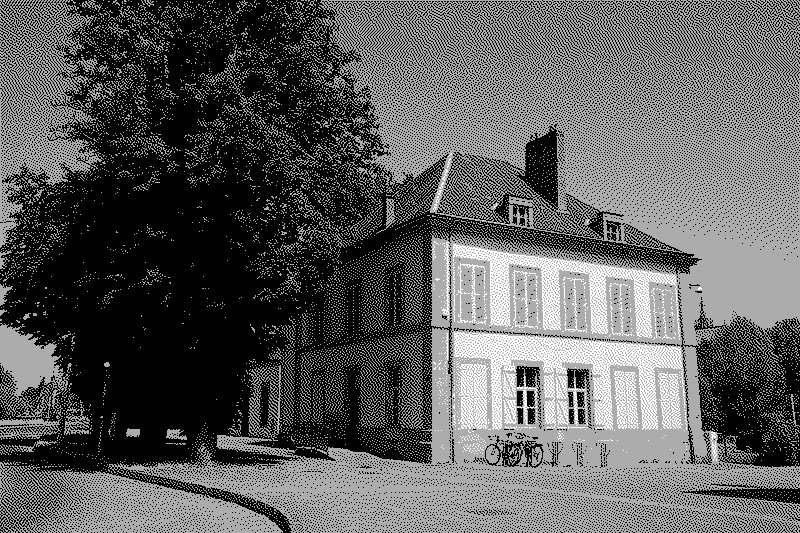
FIG 01. Gallery 0.15
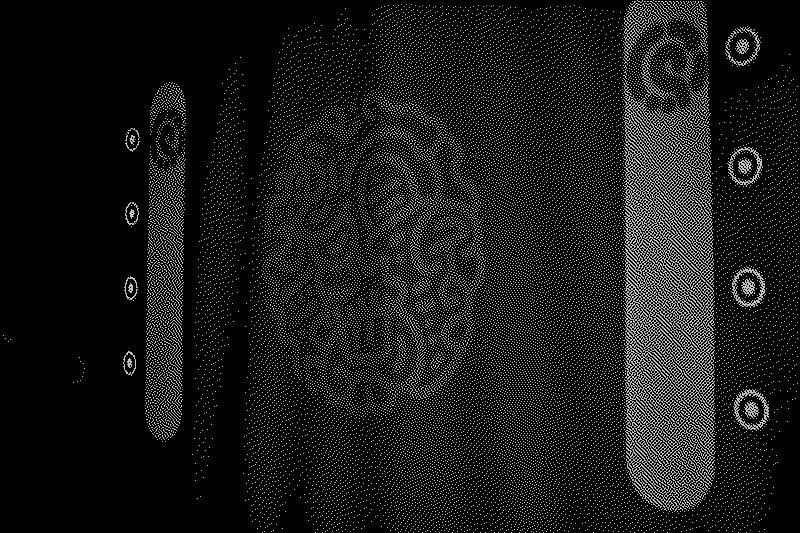
FIG 02. Screening of the interactive play by Cortex Asquith S., Vidralum, 2025
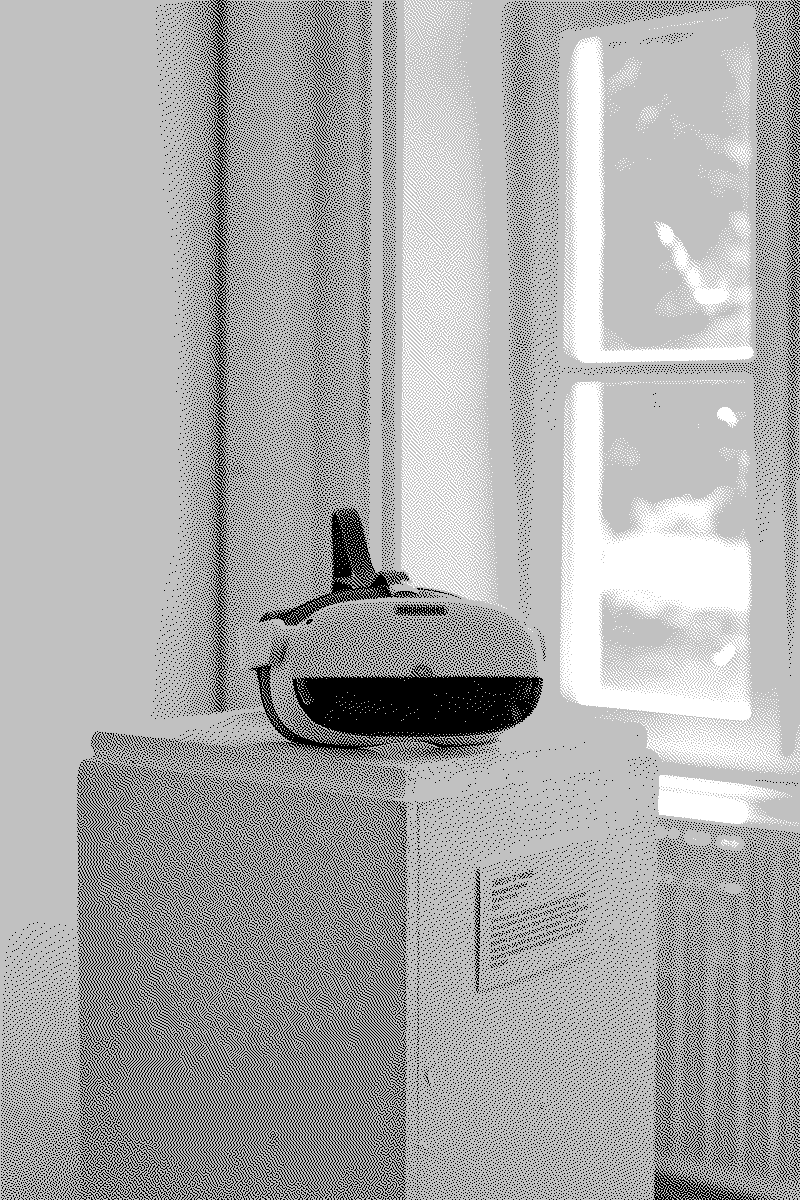
FIG 03. Project VR Jardin d'Hadès by Aboubakhar Chefrad, 2026
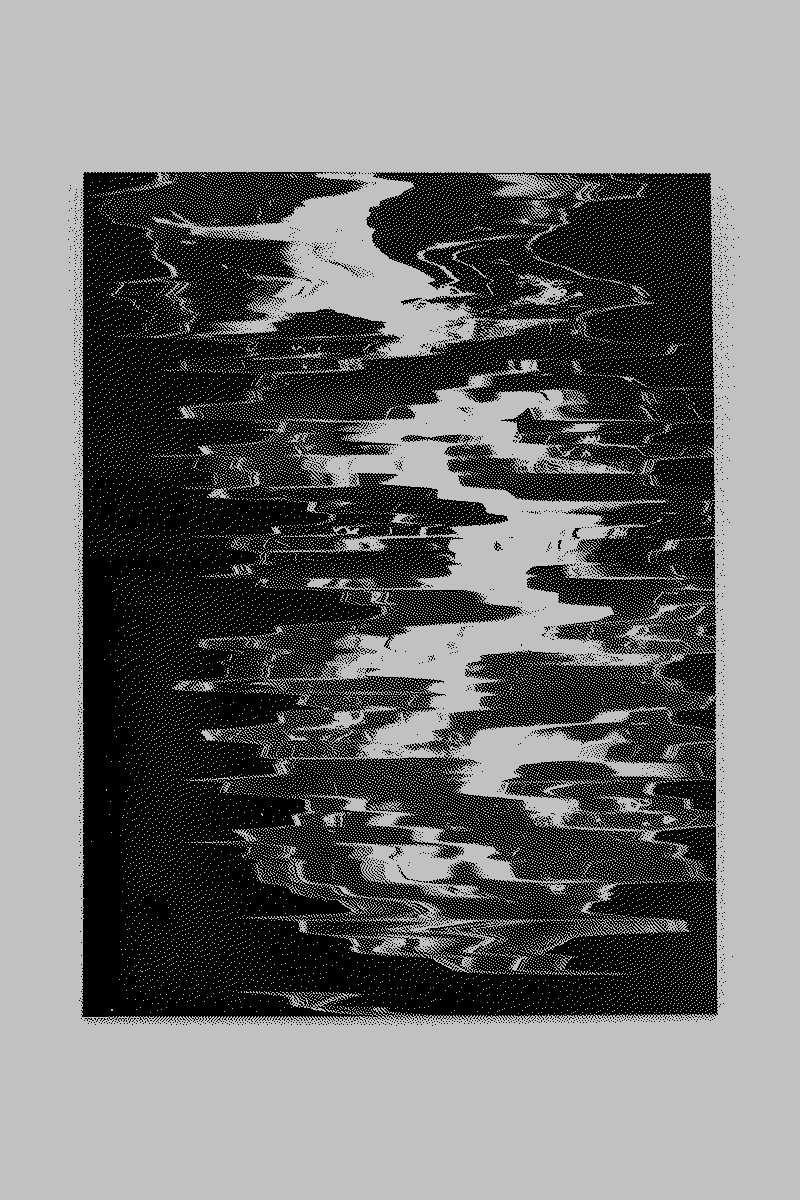
FIG 04. Yaşar Seren, Kollage, 2026
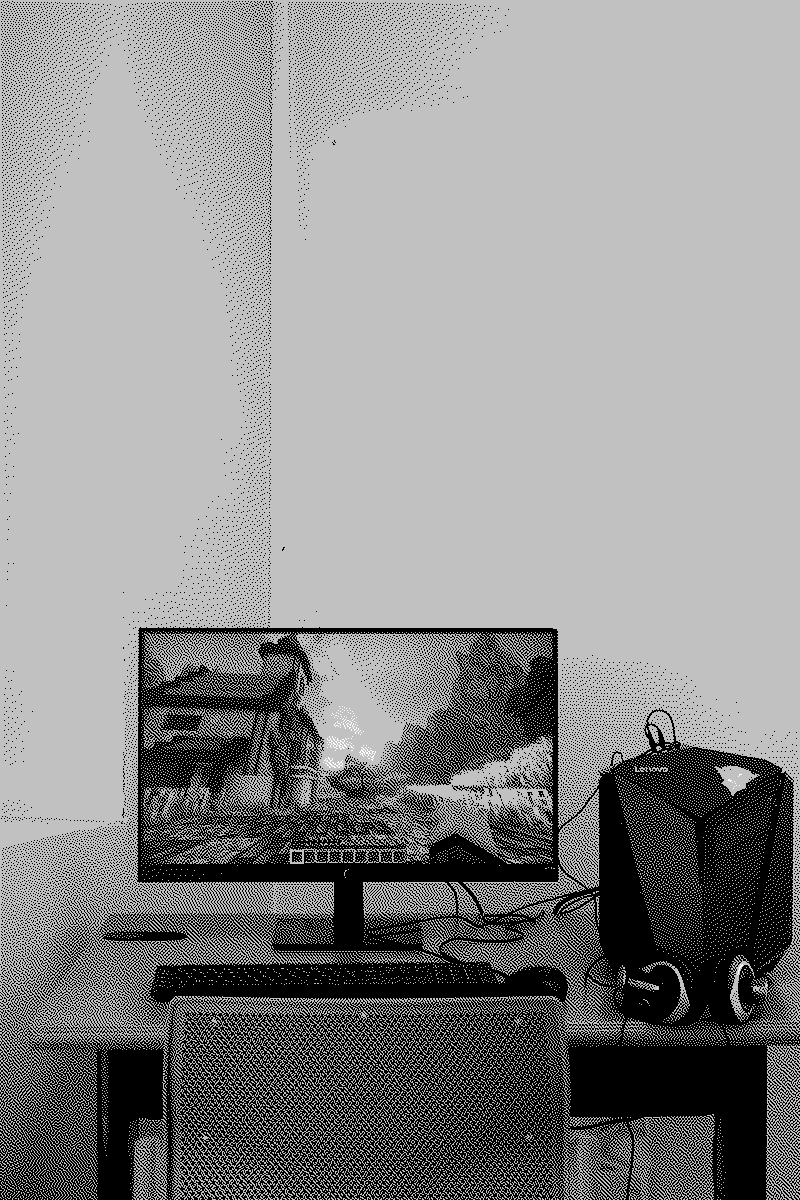
FIG 05. Joel-Aristide Ndombassi, Souvenirs en trois dimensions, 2026
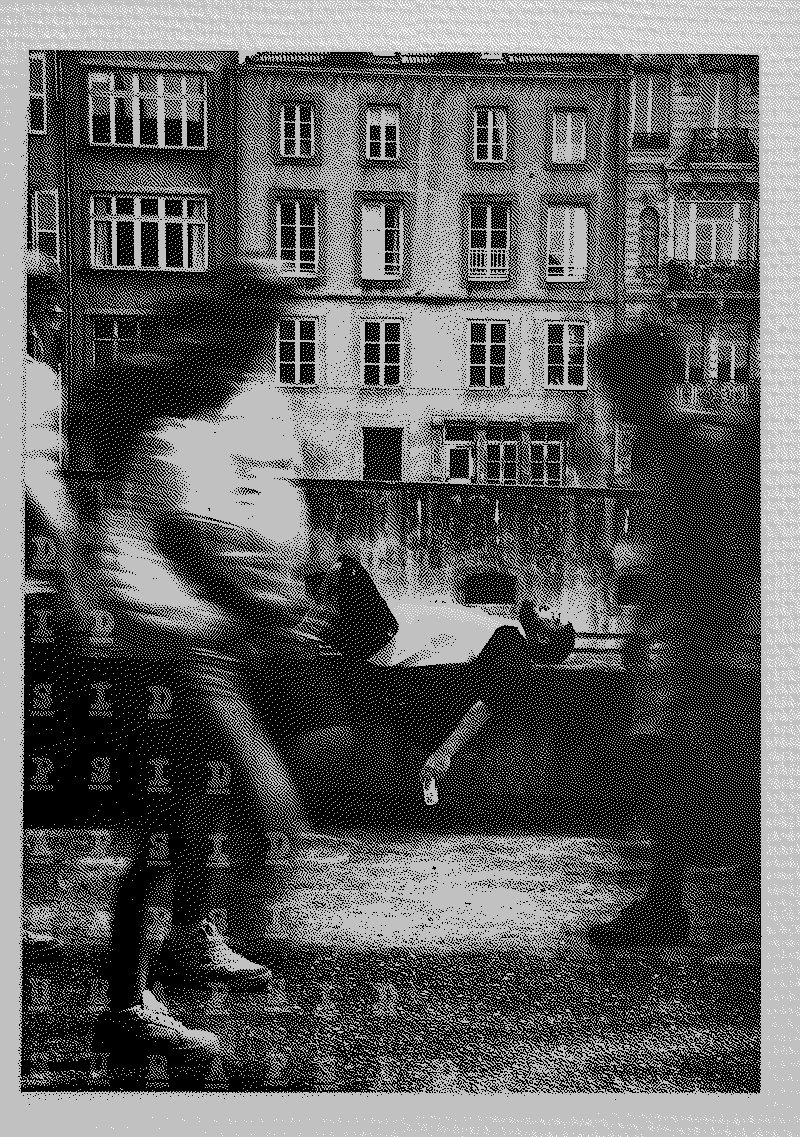
FIG 06. Lyssa et Reiffurt, Disparus, 2026
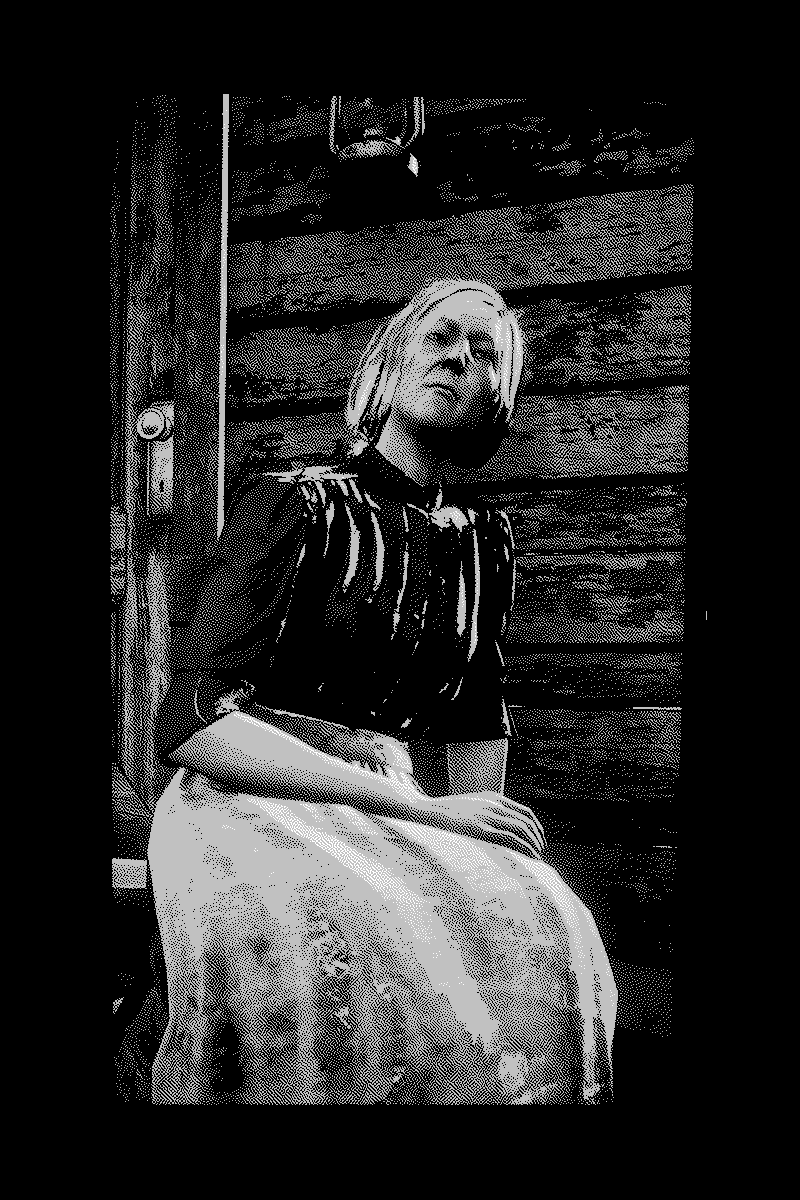
FIG 07. Total Refusal, Hardly Working, 2022, picture of one screen
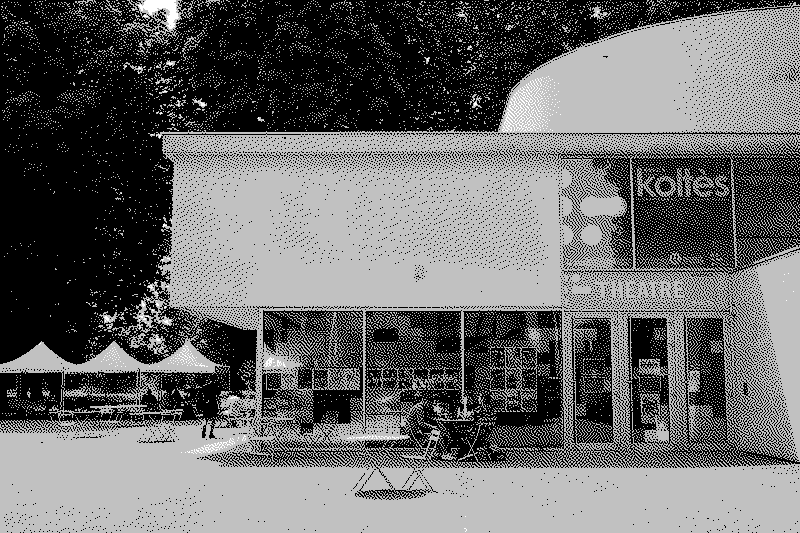
FIG 08. Espace Bernard-Marie Koltès
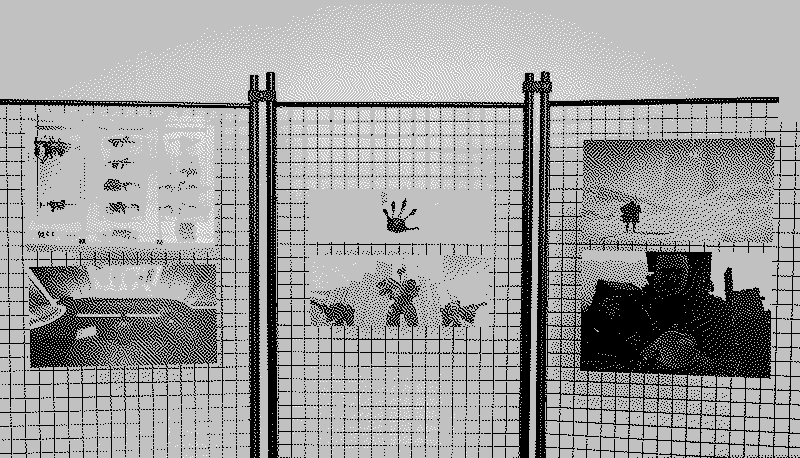
FIG 09. Néo Baqqali, No Killing in a Dying World, 2026
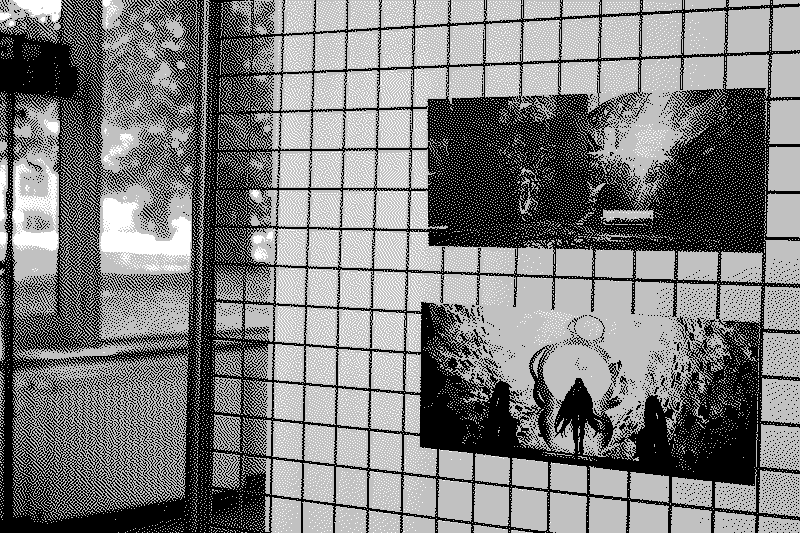
FIG 10. Angèle Rey, Périple, 2026
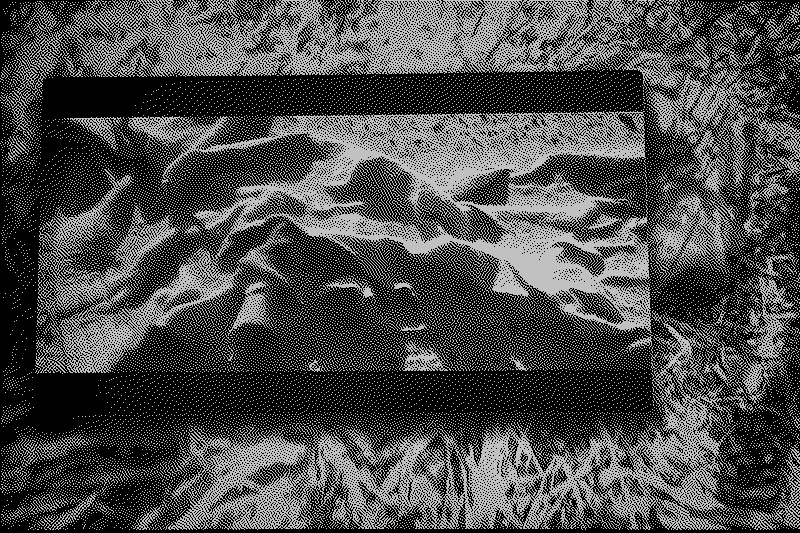
FIG 11. Assya Agbere, Land of Têmêle, We Dêlême, 2025
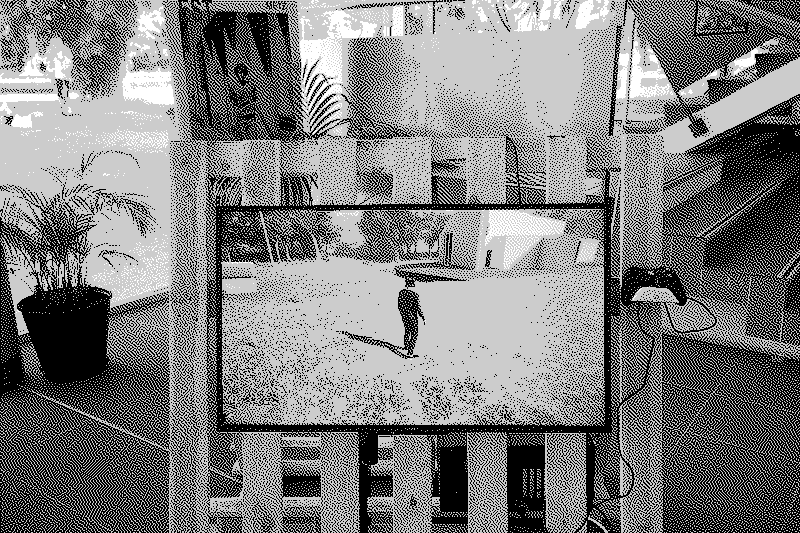
FIG 12. Installation Random Adventure Memory [RAM] de François Bellabas, 2023-2024
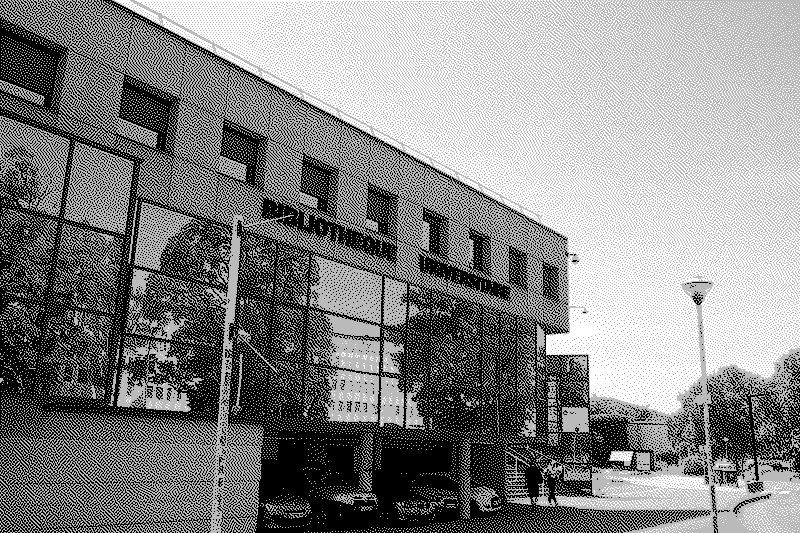
FIG 13. University Library, Campus Saulcy, University of Lorraine, Metz
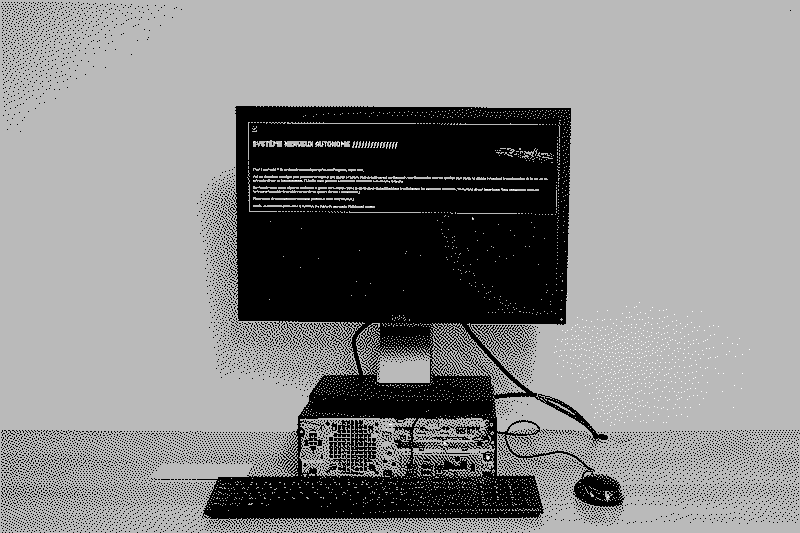
FIG 14. Ponny Gouttegata, Somatoparaphrenia, 2026
FIG 15. Lilian Gaborit, Insomnia, 2026
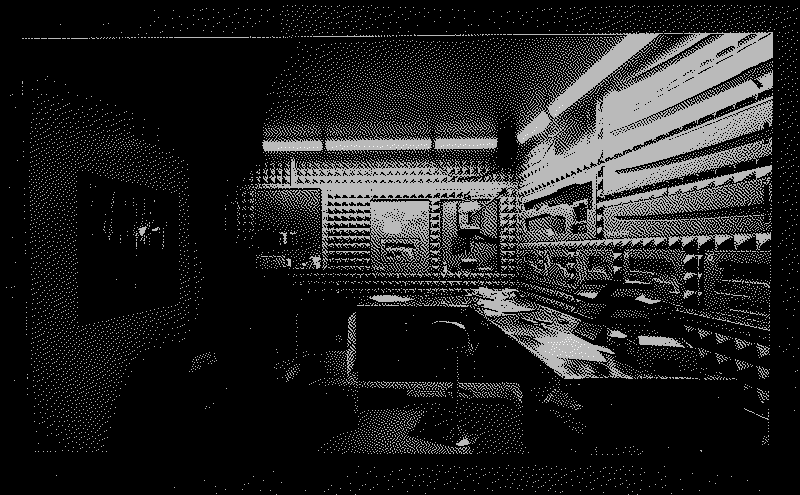
FIG 16. Antoine Klein, Présence(s), 2026
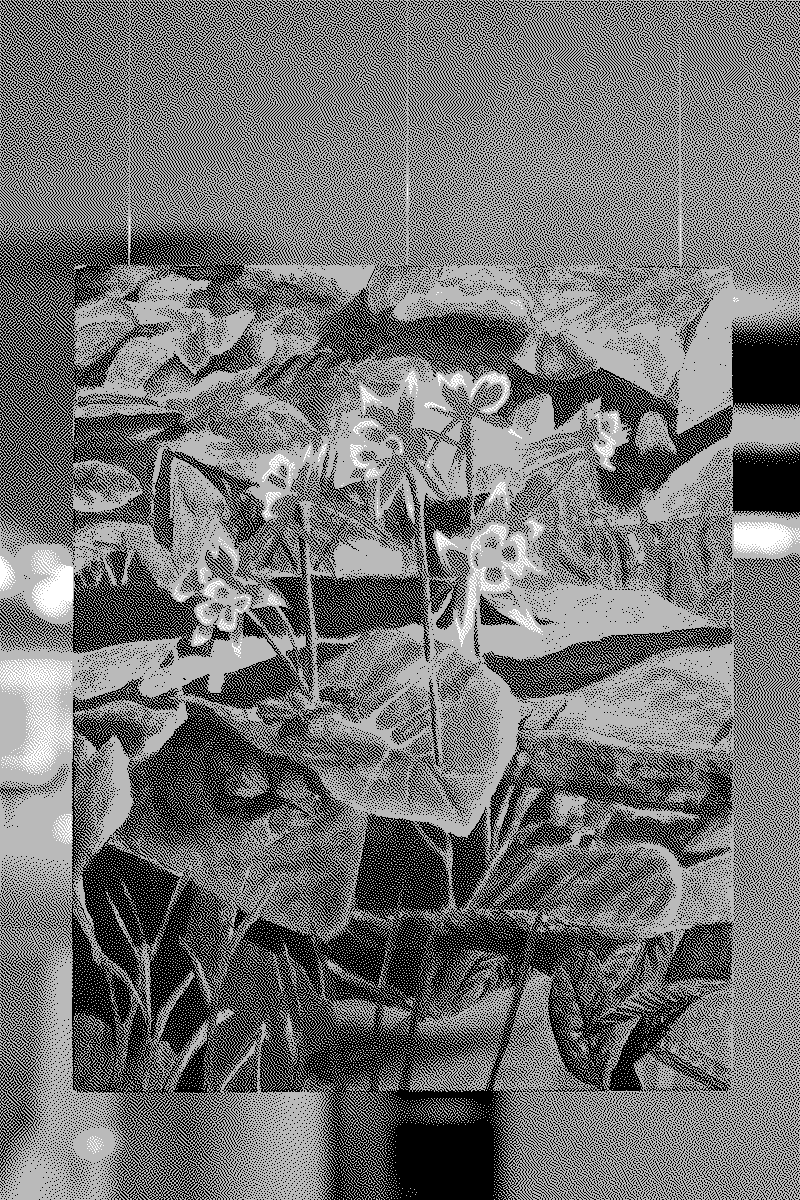
FIG 17. Sébastien Faivre-Picon, Crimson Bloom, 2022
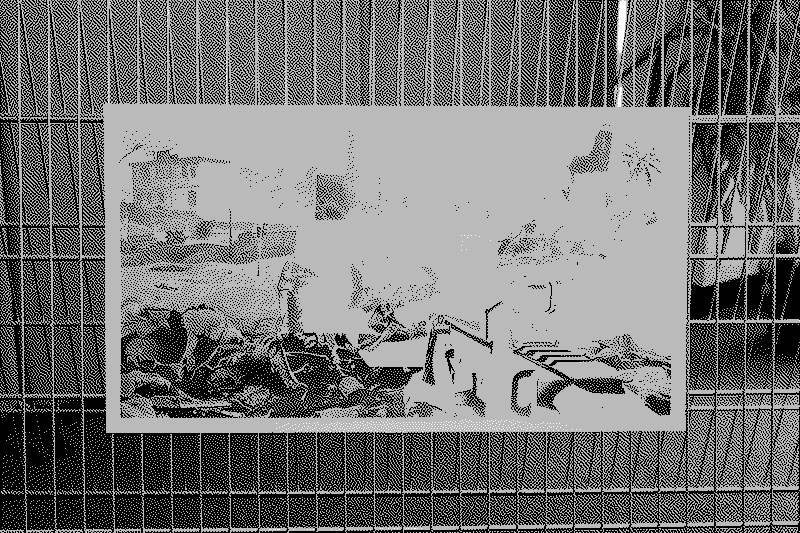
FIG 18. Sébastien Faivre-Picon, Battlefield : Le Seuil, 2026