Revue Labial
Group publication
21 October 2026
Éditions L, Wilde Gallery, Paris, France
url: revue Labial
submitted projects: Tentative d'épuisement de l'i.a.
Group publication
21 October 2026
Éditions L, Wilde Gallery, Paris, France
url: revue Labial
submitted projects: Tentative d'épuisement de l'i.a.
publication text
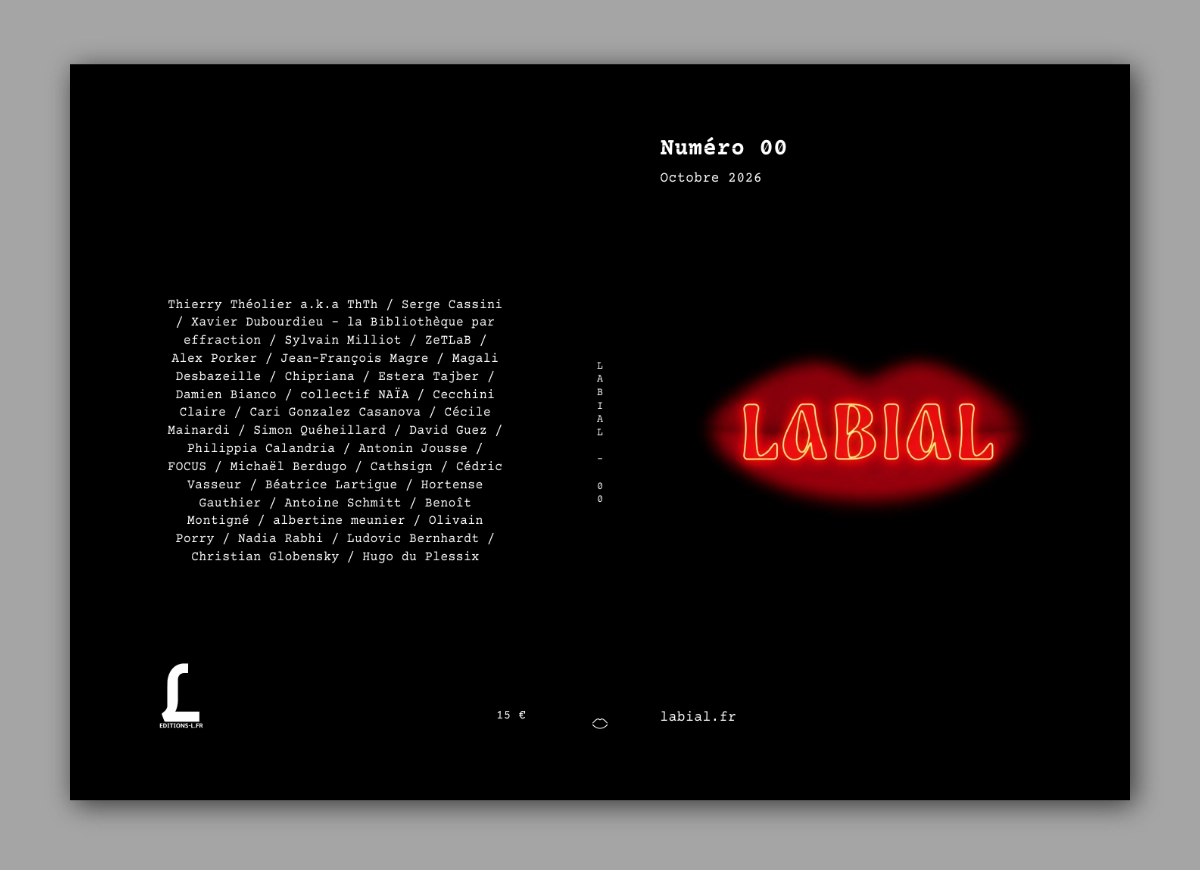
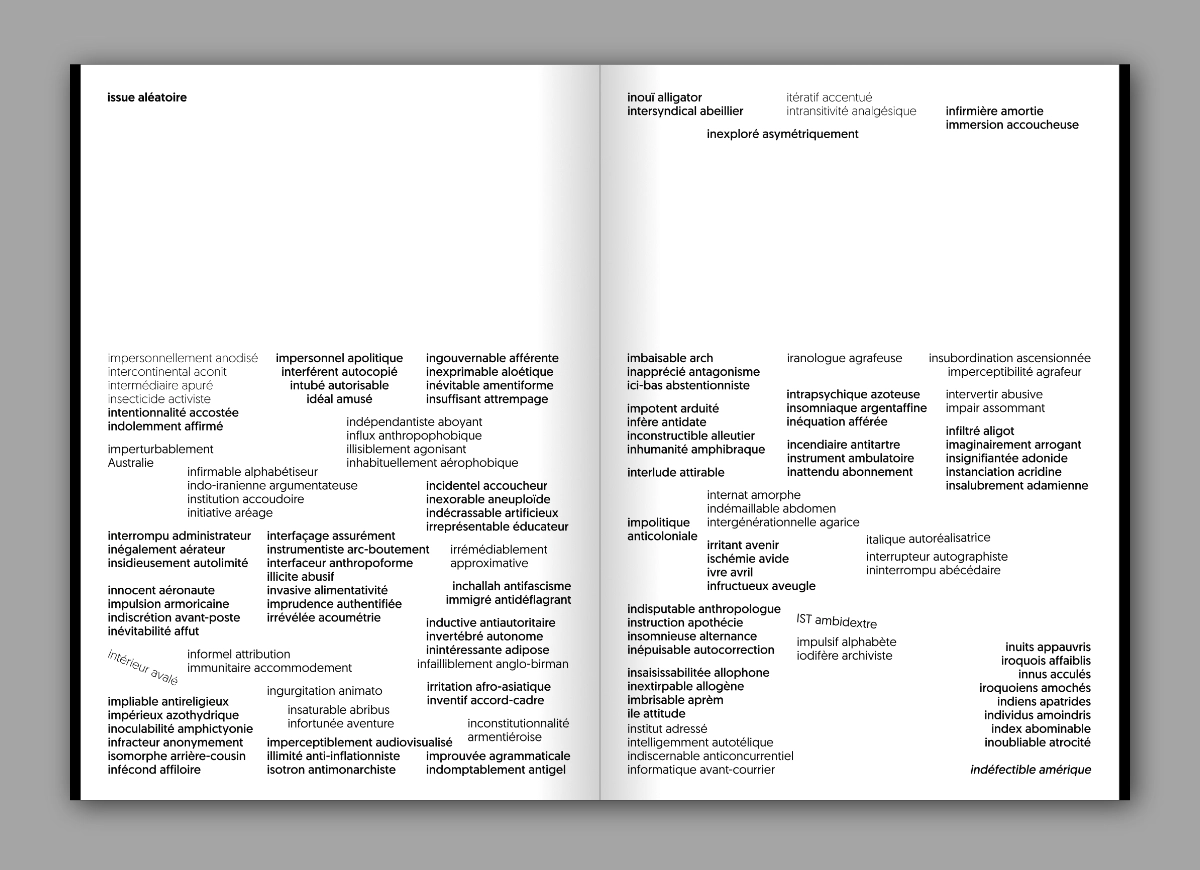
LABIAL is a publication dedicated to creativity and experimentation, focusing on the intersections between literature, art, and artificial intelligence. It invites authors, artists, and researchers to submit texts and hybrid forms: poems, stories, essays, dialogues, images, musical scores, code fragments, protocols, or compositions that blend multiple languages.
curated by: Éditions L, David Guez
with: Thierry Théolier a.k.a ThTh, Serge Cassini, Xavier Dubourdieu - la Bibliothèque par effraction, Sylvain Milliot, ZeTLaB, Alex Porker, Jean-François Magre, Magali Desbazeille, Chipriana, Estera Tajber, Damien Bianco, collectif NAÏA, Cecchini Claire, Cari Gonzalez Casanova, Cécile Mainardi, Simon Quéheillard, David Guez, Philippia Calandria, Antonin Jousse, FOCUS, Michaël Berdugo, Cathsign, Cédric Vasseur, Béatrice Lartigue, Hortense Gauthier, Antoine Schmitt, Benoit Montigné, Albertine Meunier, Olivain Porry, Nadia Rabhi, Ludovic Bernhardt, Christian Globensky, Hugo du Plessix
Abandonné·es dans la matière
Residency, exhibition
9. - 16. October 2025
Bliiida, Metz, France
url: laligneouverte.com
submitted projects: Abandonné.es dans la matière
Residency, exhibition
9. - 16. October 2025
Bliiida, Metz, France
url: laligneouverte.com
submitted projects: Abandonné.es dans la matière
exhibition text
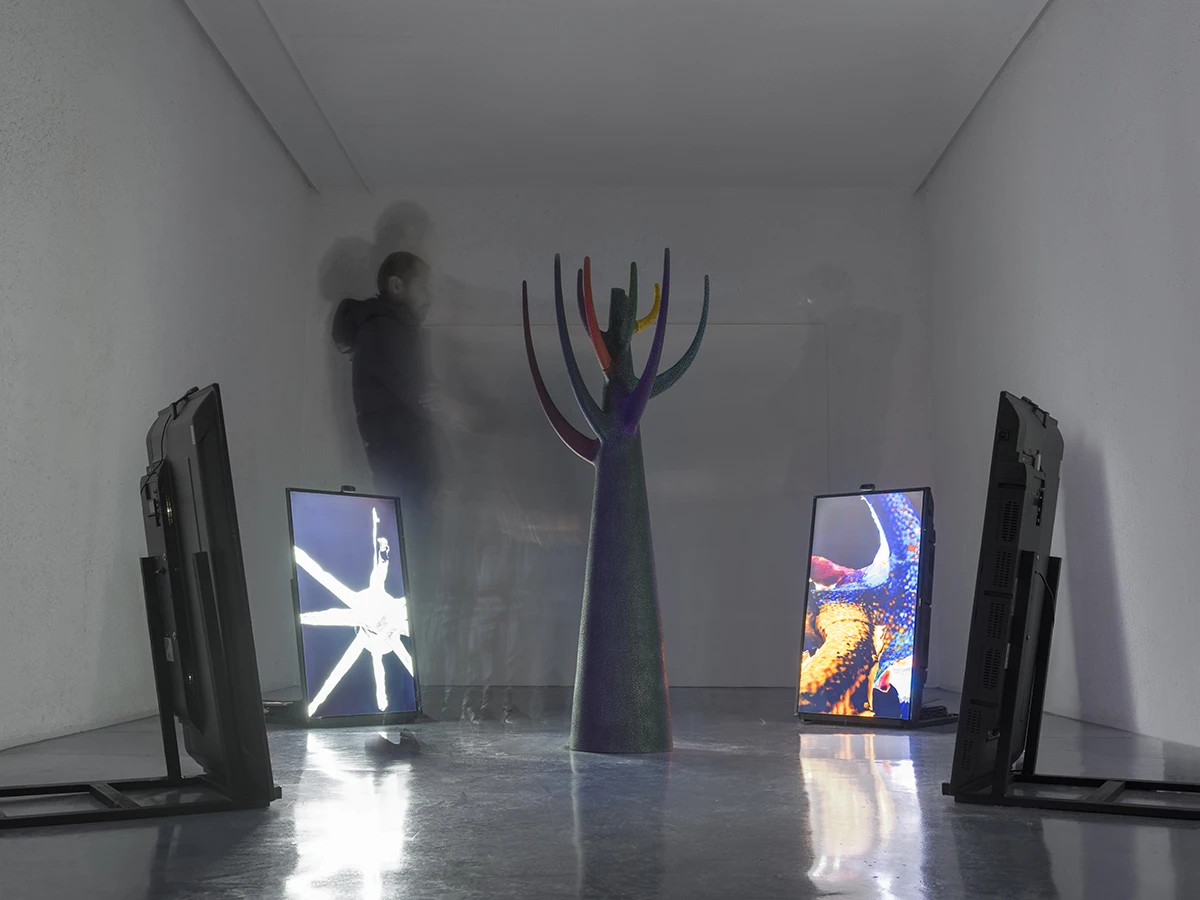
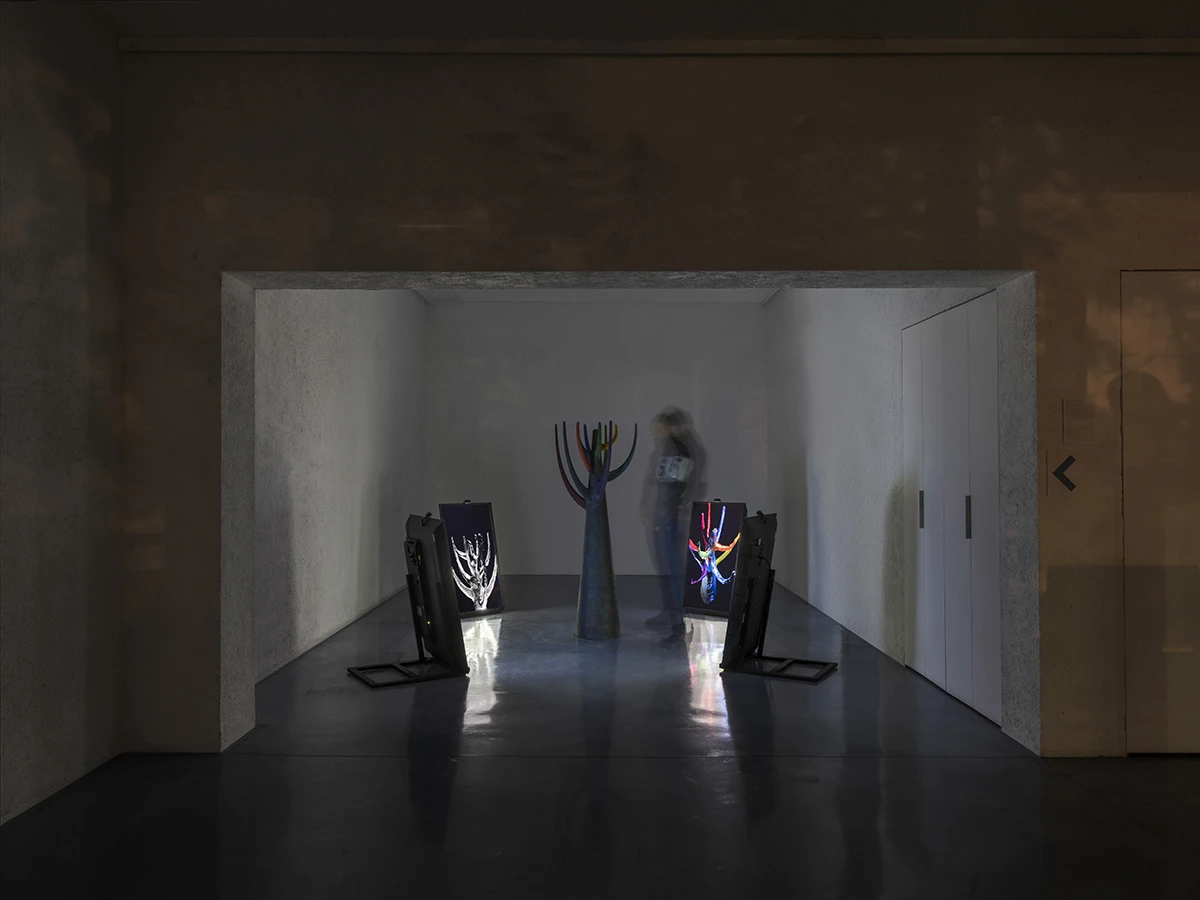
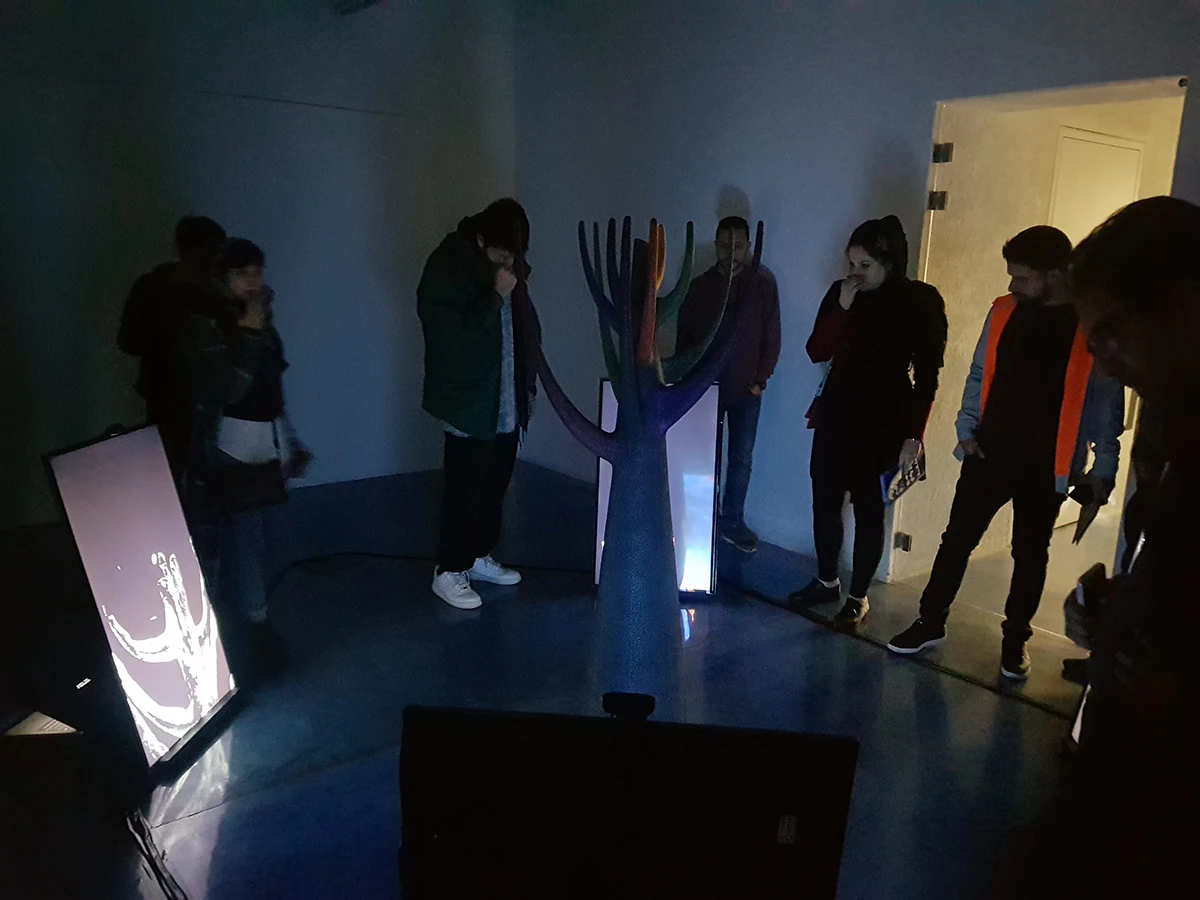
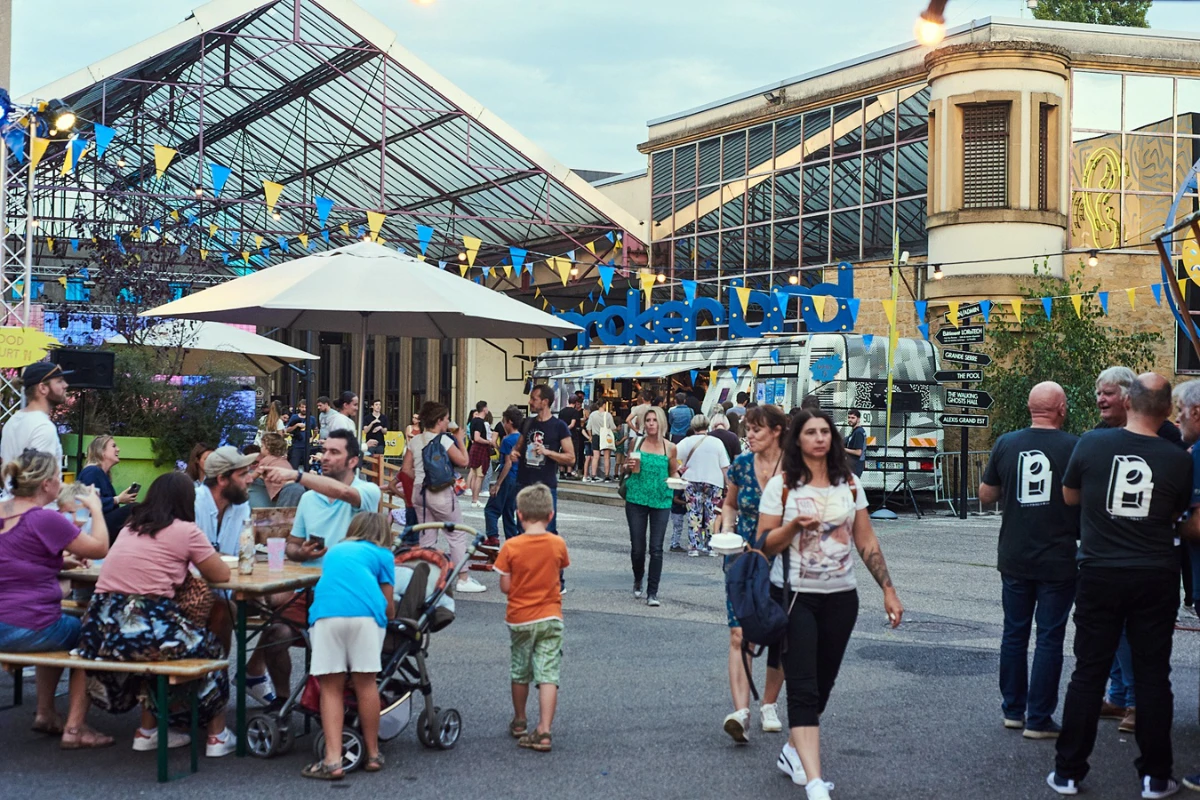
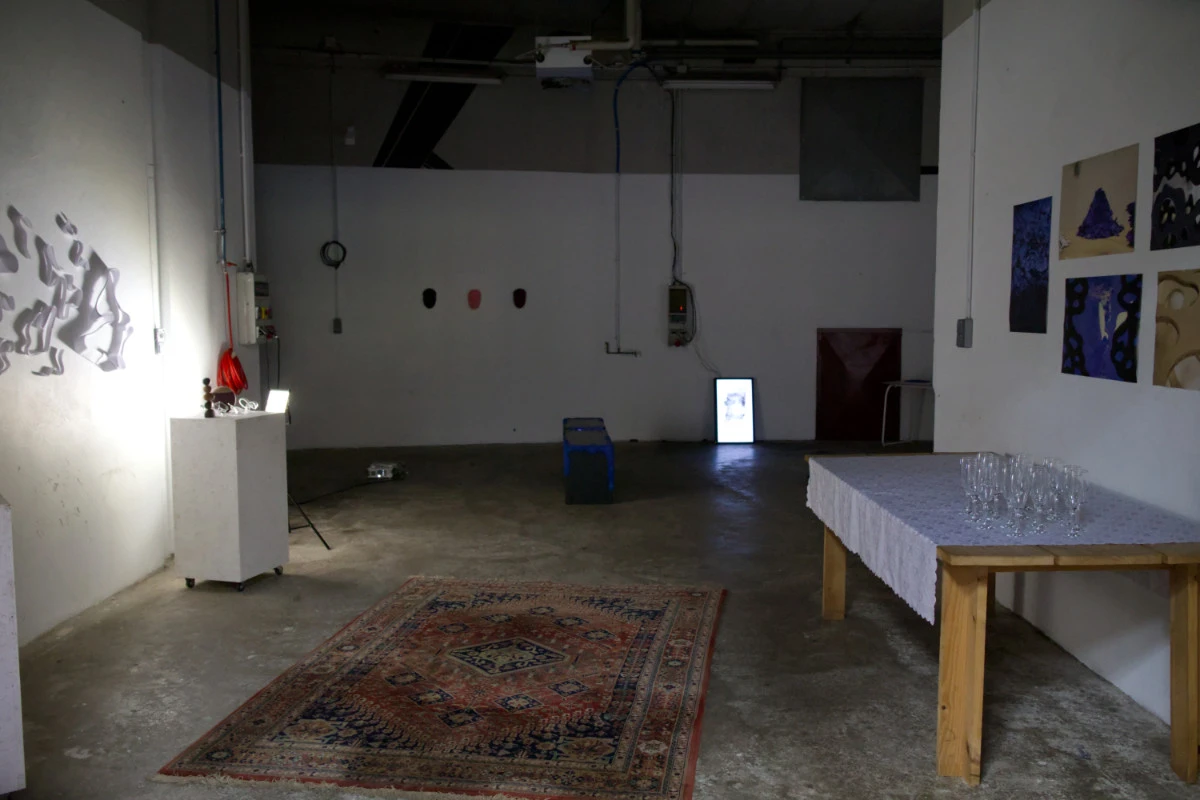
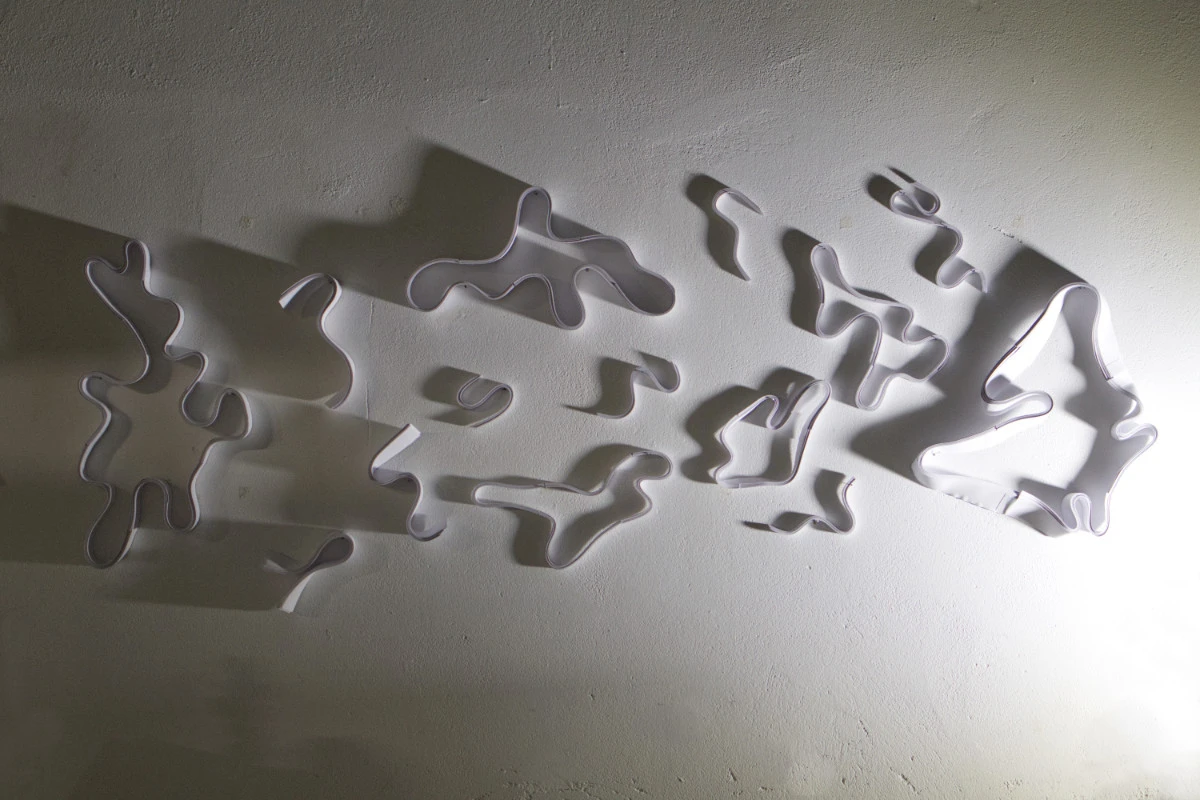
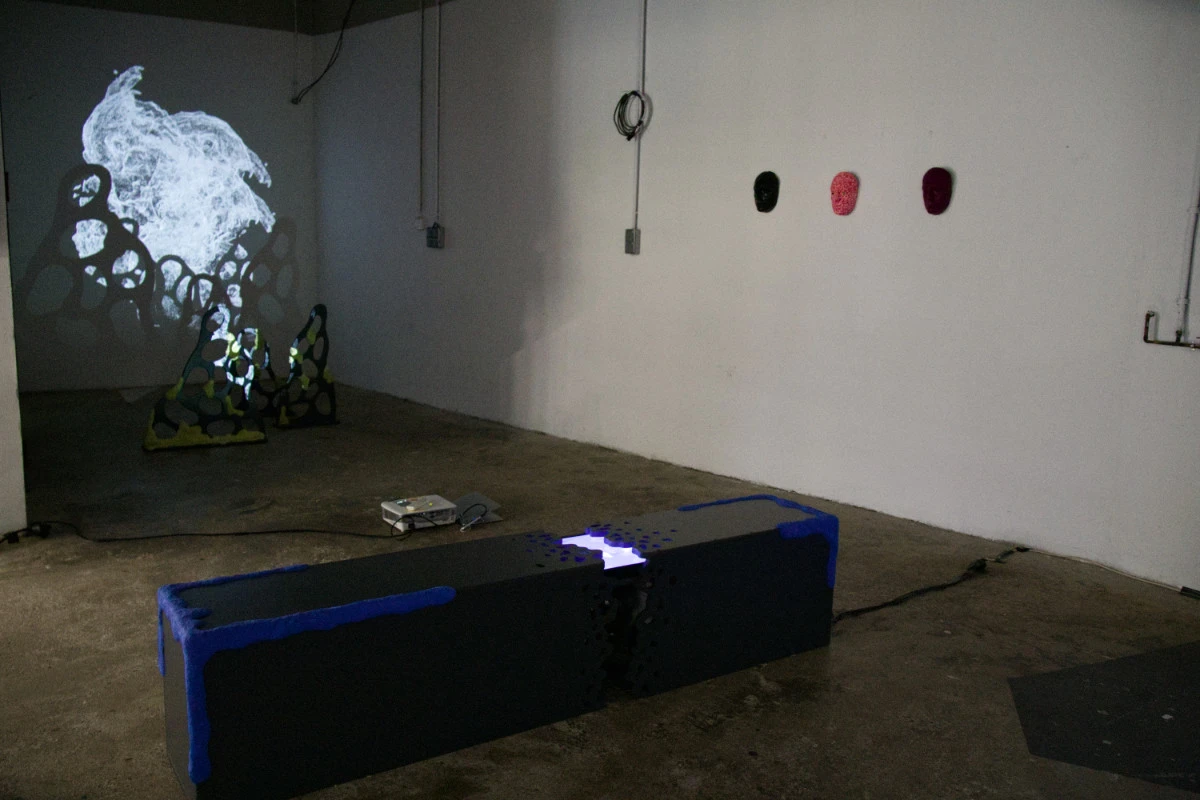
Abandonned in Mater is an artistic project that will take the form of a series of interactive sculptures made and designed from recovered materials and waste. They allow us to experiment and question the design of the future in a world where only waste remains to be recomposed, reused and rethought. The digital, interactive part of the sculptures is designed with the same vision in mind. A resilient digital imagined in a world of limited resources, a digital that no longer consumes energy and runs on any machine. These sculptures explore a near-future that is experimental, fearsomely inventive and formally enthusiastic.
This exhibition, marking the end of the residency, showcases all the production processes and several of the works created.
curated by: La ligne ouverte
with: Lucie Allard and Ali Honarvar
Intersculpt 2025 : les avatars de l'intelligence
Group show
3. - 12. October 2025
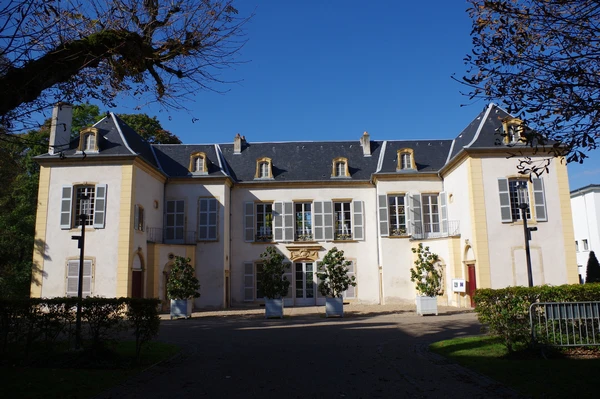
Château de Courcelles, Montigny les Metz, France
url: exhibition catalog
submitted projects: Poèmes constitutionnels, Ici et ailleurs
Group show
3. - 12. October 2025
Château de Courcelles, Montigny les Metz, France
url: exhibition catalog
submitted projects: Poèmes constitutionnels, Ici et ailleurs
exhibition text
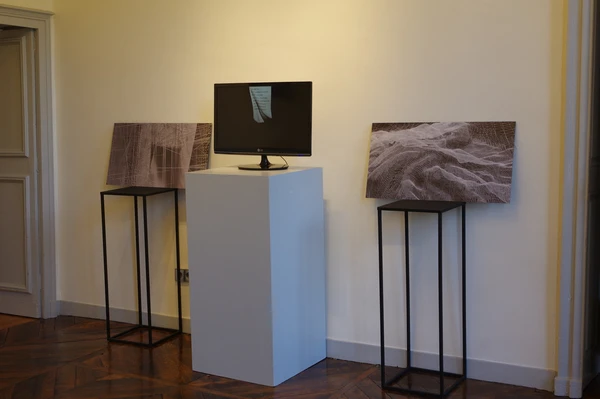
The ARS MATHEMATICA association, founded in Paris in late 1992 by Alexandre VITKINE (1910–2014) and Christian LAVIGNE (born in 1959) to promote the convergence of the arts, sciences, and technology, has been organizing an international exhibition dedicated to digital sculpture since 1993, which took the name INTERSCULPT in 1995.
This event, held both in France and internationally, has inspired similar initiatives around the world and brings together digital sculptors with diverse sources of inspiration, researchers from various disciplines, and digital technology companies.
curated by: Christian Lavigne
with: Raymond Aschheim, Brit Bunkley, Philippe Charbonneau, Herbet W. Franke, Paul Higham, James Hutchinson, Antonin Jousse, Christian Lavigne, Helena Lukasova, Hanna Makkonen, Mary Bates Neubauer, Peter Peterson, Valdas Skritas, Robert M. Smith, David Van Ness, Patrick Visentin, Mary Visser, Alexandre Vitkine, Jennifer Weiler, Andrew Werby, Laura West, Corinne Whitaker, Derrick Woodham
Revue Collée 2
Group show
7. February 2025 - until destruction
Gentilly, France
url: instagram of revue Collée
submitted projects: Poèmes constitutionnels
Group show
7. February 2025 - until destruction
Gentilly, France
url: instagram of revue Collée
submitted projects: Poèmes constitutionnels
exhibition text
"Revue Collée" is a platform for literary and artistic creation that produces magazines, posters, and various objects. The revue features texts—in prose and verse—as well as collages, drawings, and photographs for exhibitions in urban spaces.
curated by: Revue Collée
with: Marinel Abo, Emma Drouyer, Liliane Giraudon, Adrien Lafille, Antonin Jousse
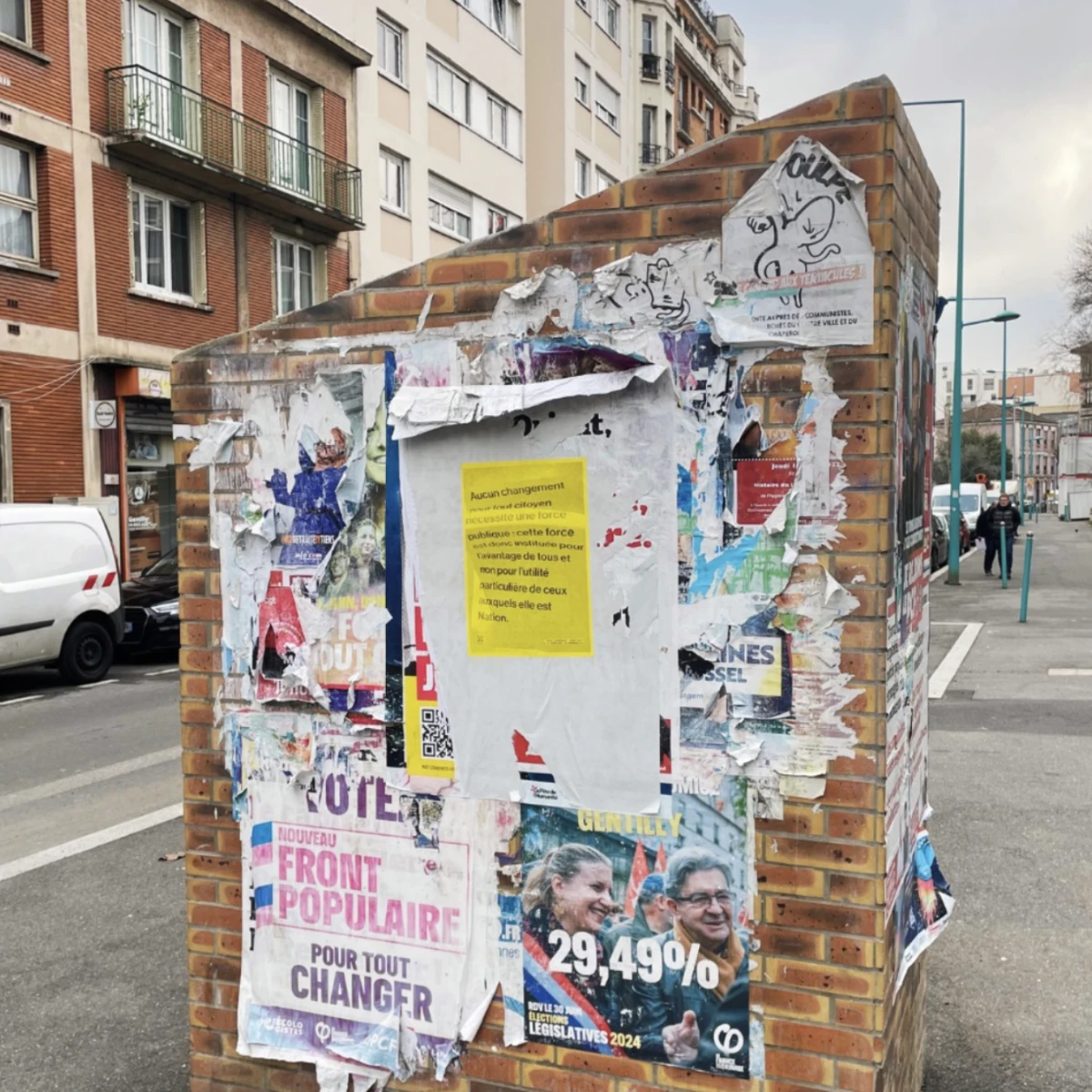
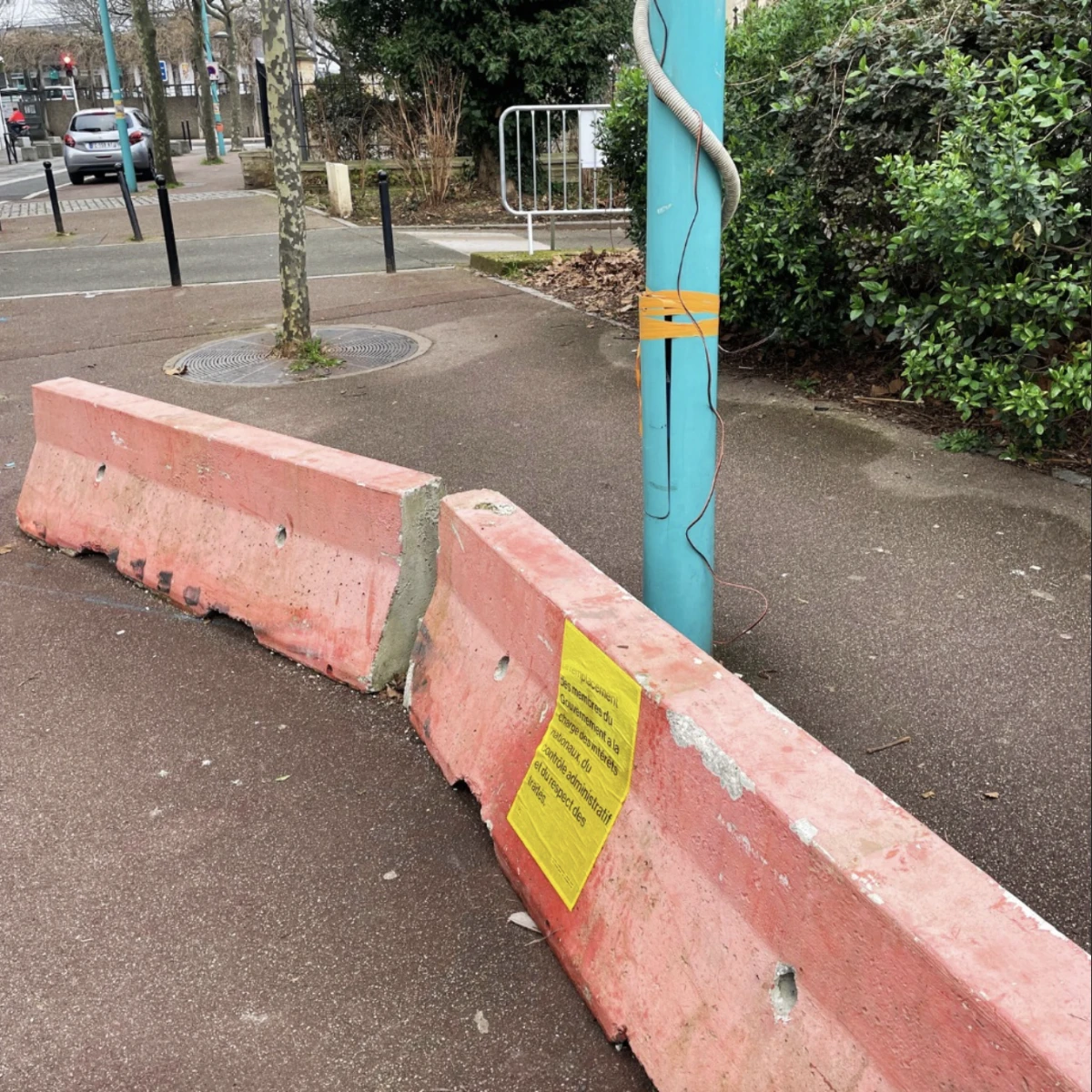
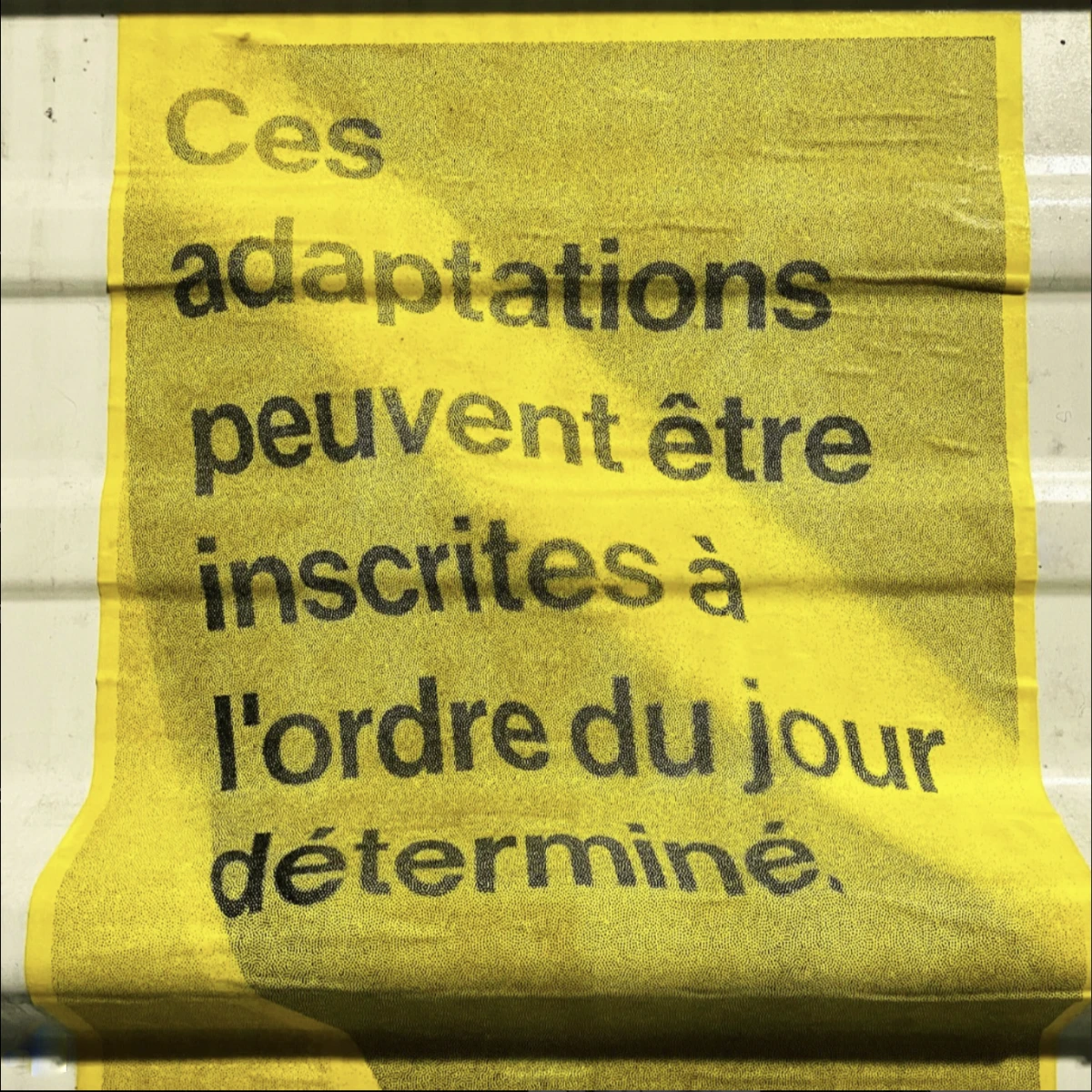
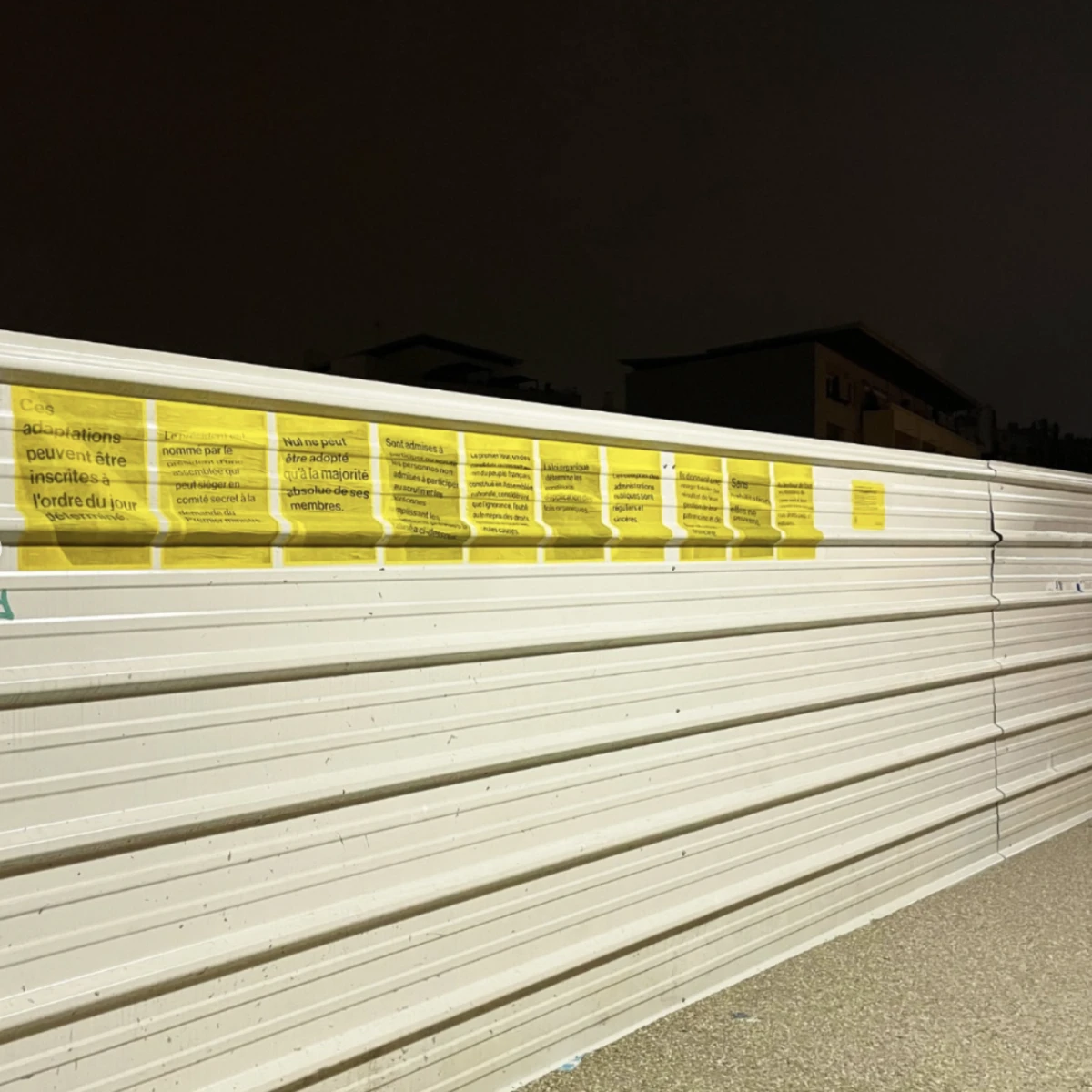
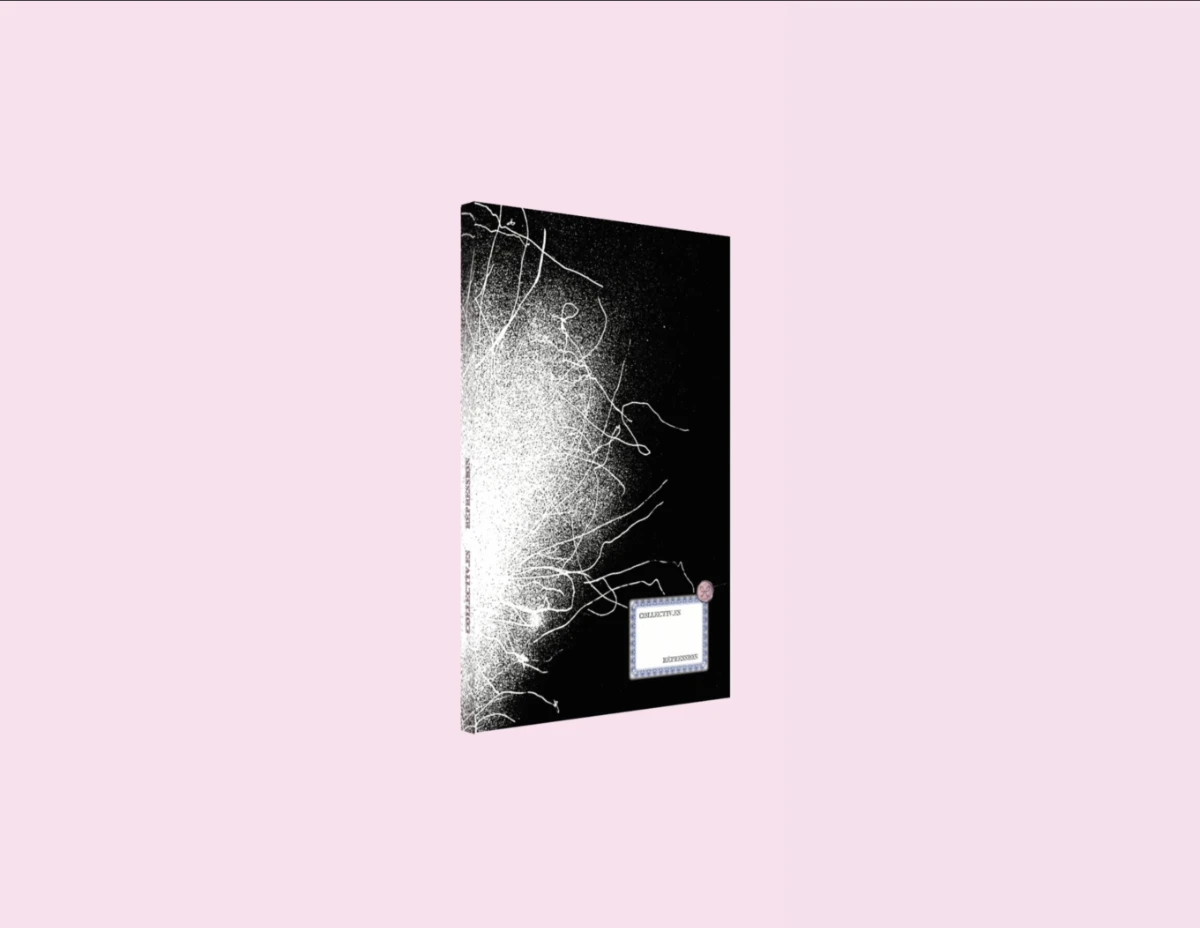
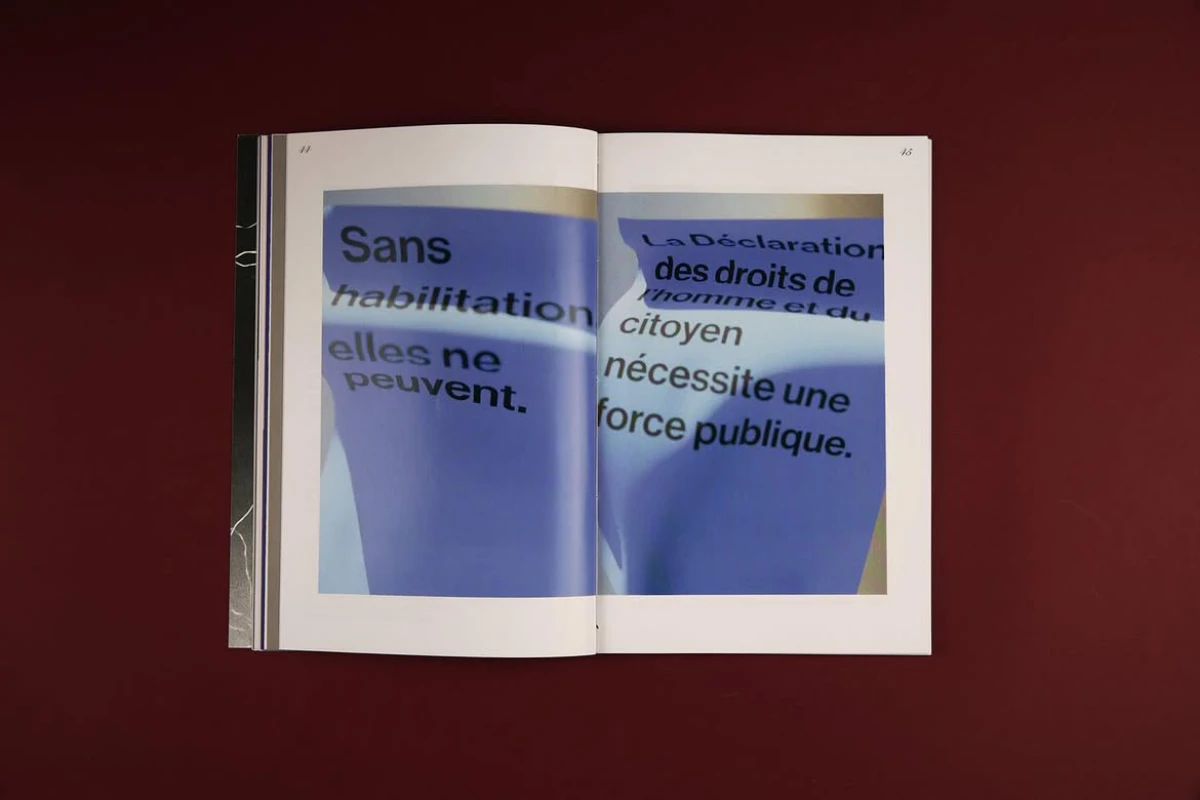
Collectiv.es : Répression
Group publication
April 2025
Editions Katadorquie, France
url: link of the magazine
submitted projects: Poèmes constitutionnels
Group publication
April 2025
Editions Katadorquie, France
url: link of the magazine
submitted projects: Poèmes constitutionnels
publication text
Katadorquie Publishing is a feminist and anti-fascist micro-publishing house. The journal *Collectiv·es* is the publishing house’s first project and brings together poets, artists, and writers around projects that explore the concept of “repression.” Katadorquie Publishing is a feminist and anti-fascist micro-publishing house. The journal *Collectiv·es* is the publishing house’s first project and brings together poets, artists, and writers around projects that explore the concept of “repression.”
Back / Forward #2
Group show
3. October - 14. December 2019
Espace Croisé, Roubaix, France
url: espace-croise.com
submitted projects: Digital Realities #2
Group show
3. October - 14. December 2019
Espace Croisé, Roubaix, France
url: espace-croise.com
submitted projects: Digital Realities #2
exhibition text
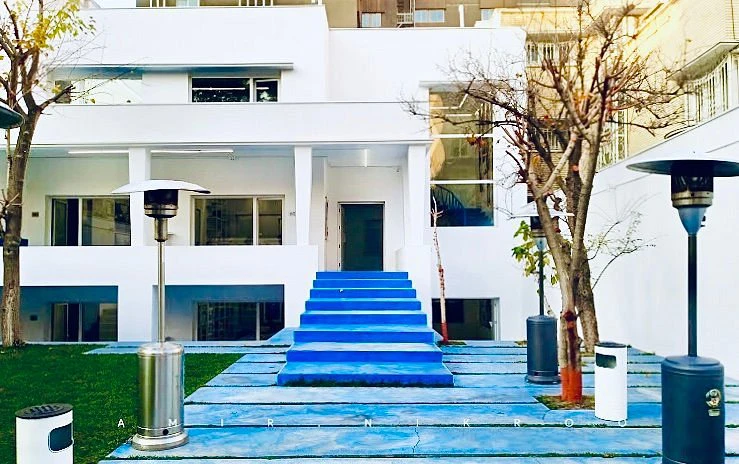
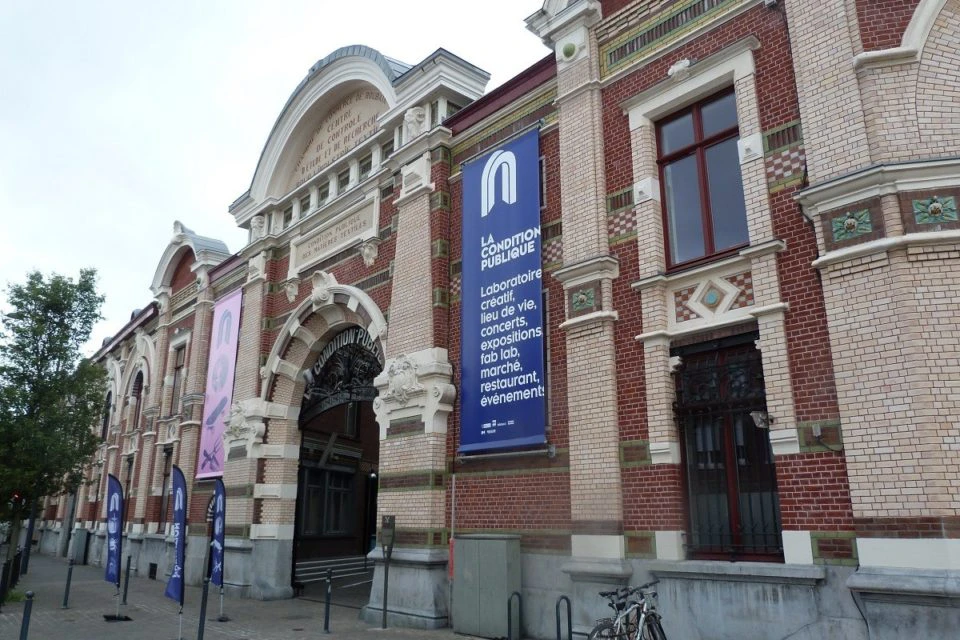
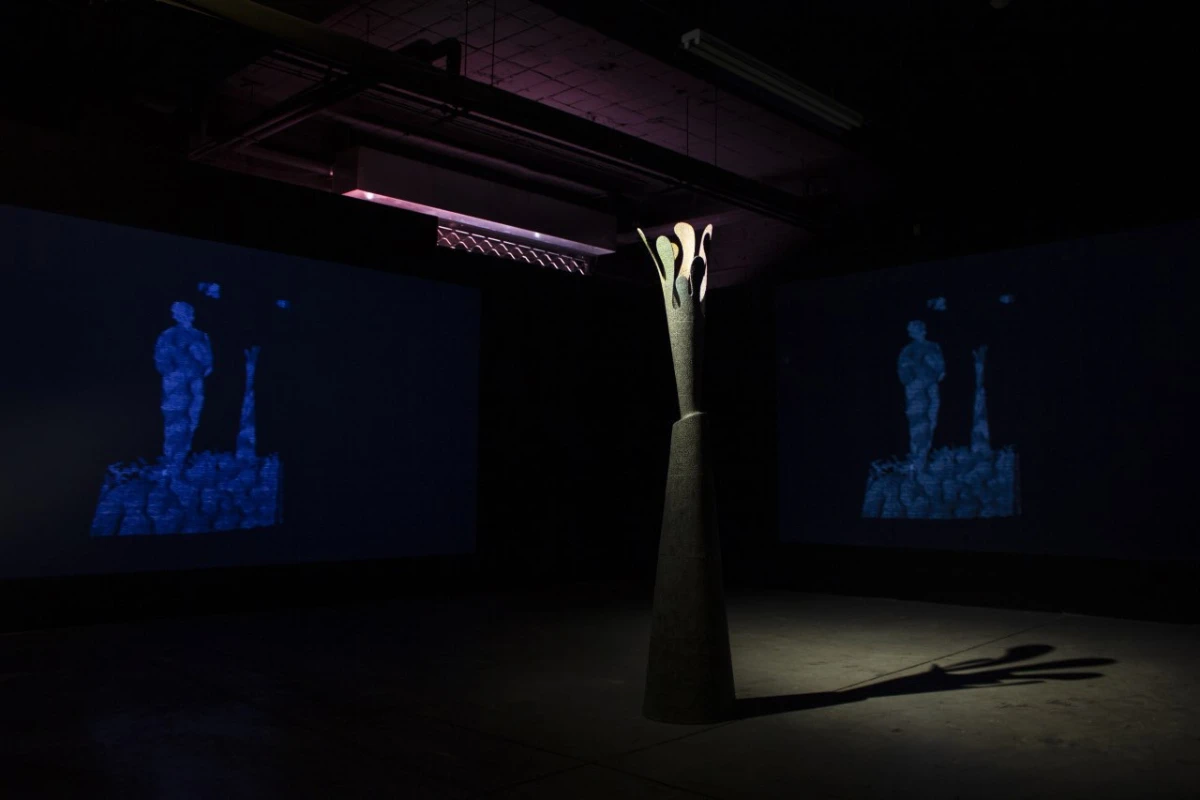
“Back / Forward” is part of an initiative by Espace Croisé that aims to forge active connections and relationships between Iranian and French artists. Launched in early 2017, this initiative facilitated the presentation of artists’ works at the 2017 Vidéoformes festival in Clermont-Ferrand, then at the Mohsen Gallery in Tehran during the TADAEX festival, and finally at Espace Croisé during the Label (2=3) exhibition.
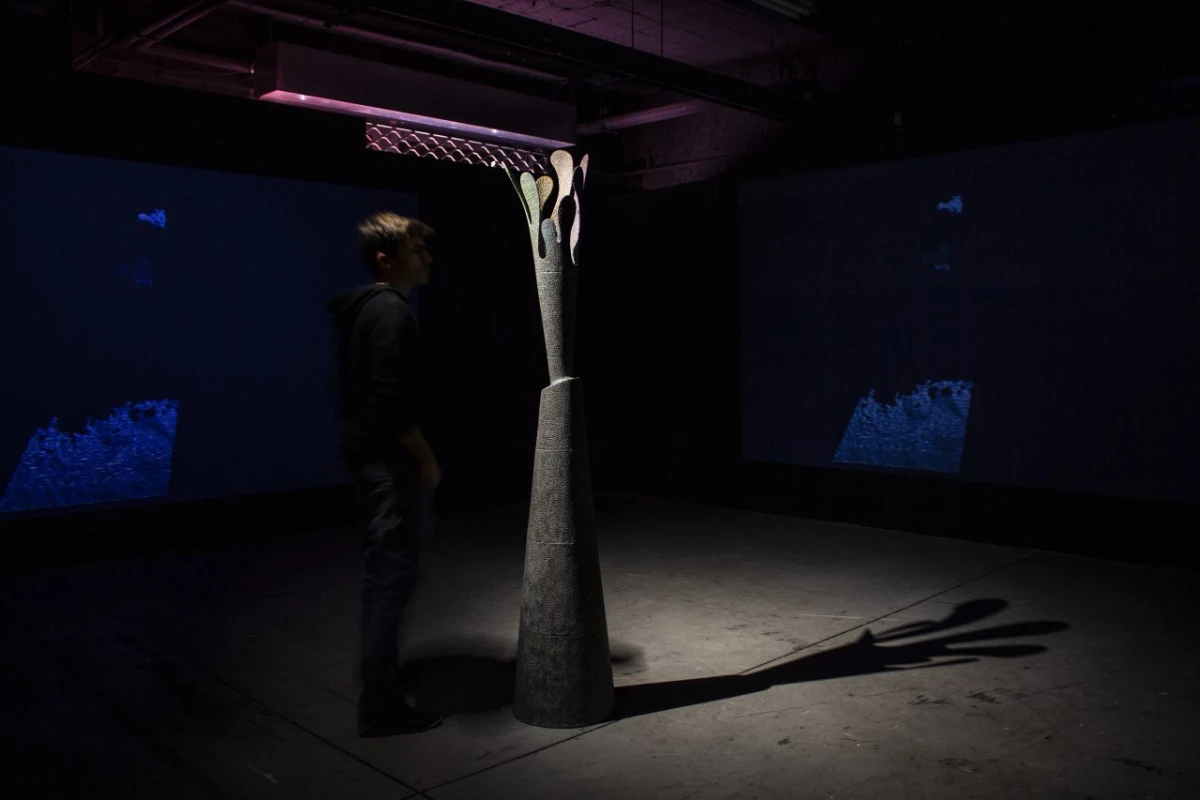
Last year, Back / Forward featured works by Iranian and French artists trained and living in France. The goal of this second edition is to bring together the perspectives of Iranian and French artists living and working in their respective countries through their practice of digital art. This encounter provides a unique framework for reflection on the role of digital media and their impact on our worldviews and cultures.
Indeed, digital technology has brought about a major shift. Our relationship with the tools we use in our work and daily lives has been transformed by technical and social innovations. Artists have an important role to play in this transformation. Their work, too, has been reshaped by digital tools, altering their relationship with technology and the medium itself.
curated by: Shabnam Rahimian, Espace Croisé
with: Ali Honarvar, Antonin Jousse, Arya Tabandehpoor, Gaetan Robillard, Fabien Zocco
TADAEX 2018 (Tehran Annual Digital Art EXhibition)
Group show, festival
9. - 16. November 2018
Nabshi Center, Tehran, Iran
url: http://tadaexfestival.com/2018/
submitted projects: Digital Realities #1
Group show, festival
9. - 16. November 2018
Nabshi Center, Tehran, Iran
url: http://tadaexfestival.com/2018/
submitted projects: Digital Realities #1
exhibition text
We live in an age governed and encompassed by digital tools and media. The ever-increasing achievement of modern individuals to improve the lives of human beings through digital, software-oriented procedures and methods have led to the enhancement of the quality of life, security, safety, welfare and communications. The results can be clearly observed in the changes in lifestyle of people and governance of governments. Throughout these years, the contemporary arts have improved ways of expression and presentation in tandem with the development of digital technology and culture.
In this largely digitalized life, where love, culture and democracy are bartered based on digital media, the digital art – with its interdisciplinary, interactive and contemporary capabilities – has found a unique chance for change in today’s modern world. This may be unprecedented in terms of magnitude and capacity, when compared to other mediums that revived before.
Beyond mere display of art, Tehran Annual Digital Art Exhibition (TADAEX) is a place for digital perspective and creation of a contemporary and flexible platform for exchanging views, culture and digital way of life among artists, art lovers and enthusiasts. This remains an invaluable chance in an age where violence, hegemony and poverty have left little chance for interaction, dialog and peaceful coexistence among contemporary human beings.
Ehsan Rasoulof
curated by: Ali Phi
with: Ainaz Alipour, Ali Honarvar, Antonin Jousse, Arya Tabandehpoor, Ashkan Gh, Henosis, Behzad Shahravan, Camilo Sandoval, Dawid Liftinger, Gabriela Gordillo, Irene Rodenas, Heterorganum, Studio 7/1, Jan Bernstein, Marc lee, Marcel Schwittlick, NIIO, Noriyuki Suzuki, Rafael Ski, Siavash Atam, Soroush Gharehbaghi, Stefanie Riettler (Studio Jephrim), Heteromanus, Technical Earth, Vortex, Wesley Lee, Zohreh Navidi Kashani, Mohamadreza Tazari, Max Hattler, Kostas Makrinos, Silvia De Gennaro, Zlatko Cosic, Muriel Montini, Andrea Familara, Shahab Shahali